

A broken tooth can feel terrifying, especially when it happens outside of office hours. Knowing the right steps makes a real difference. This guide walks Austin patients through exactly what to do before reaching a dentist. Think of it as your broken tooth survival guide — relief steps before your appointment in Austin that can protect your smile and ease your pain.
Whether your tooth cracked biting into something hard or broke during an unexpected accident, staying calm is step one. Acting quickly and correctly limits further damage. Dr. Aleeahna Phan and the team at Hapii Dental Austin are here to help you through every stage of this stressful experience.
First Steps to Take When You Break a Tooth in Austin
The moment a tooth breaks, your first instinct might be panic. Instead, take a slow breath and assess the situation. Is there bleeding? Is the pain sharp or dull? These details matter when you call your dentist.
Start by rinsing your mouth gently with warm water. This clears away debris and reduces the risk of infection. Avoid using hot or very cold water, since your exposed tooth will be sensitive to temperature extremes.
If you can find the broken piece, keep it. Place it in a small container with milk or clean saliva. Dentists can sometimes use the fragment during repair. Never wrap the piece in a dry tissue, as that can damage the cells.
- Rinse gently with warm water right away
- Apply light pressure with gauze if there is bleeding
- Save the broken fragment in milk or saliva
- Avoid chewing on the affected side entirely
- Call your dentist as soon as possible for guidance
How to Manage Pain and Sensitivity Before Your Appointment
Pain relief is often the most urgent concern after breaking a tooth. Over-the-counter options like ibuprofen or acetaminophen can help reduce discomfort. Always follow dosage instructions on the packaging and avoid placing aspirin directly on the tooth or gum.
Dental wax or sugar-free chewing gum can temporarily cover a jagged edge. This protects your tongue and cheek from cuts. You can find dental wax at most Austin pharmacies — it is a simple and effective short-term fix.
Sensitivity to air and temperature is common with a broken tooth. Try breathing through your nose instead of your mouth. Avoid eating on the broken side and steer clear of very hot drinks, cold beverages, and sugary foods until you are seen by your dentist.
- Take ibuprofen or acetaminophen for pain as directed
- Use dental wax to cover sharp or jagged edges
- Breathe through your nose to reduce air sensitivity
- Avoid extreme food temperatures on the affected side
- Skip sticky, hard, or crunchy foods entirely
Understanding What Your Dentist May Need to Do
The treatment your dentist recommends depends on how severe the break is. A minor chip may only need smoothing or bonding. A deeper crack or break often requires more involved care.
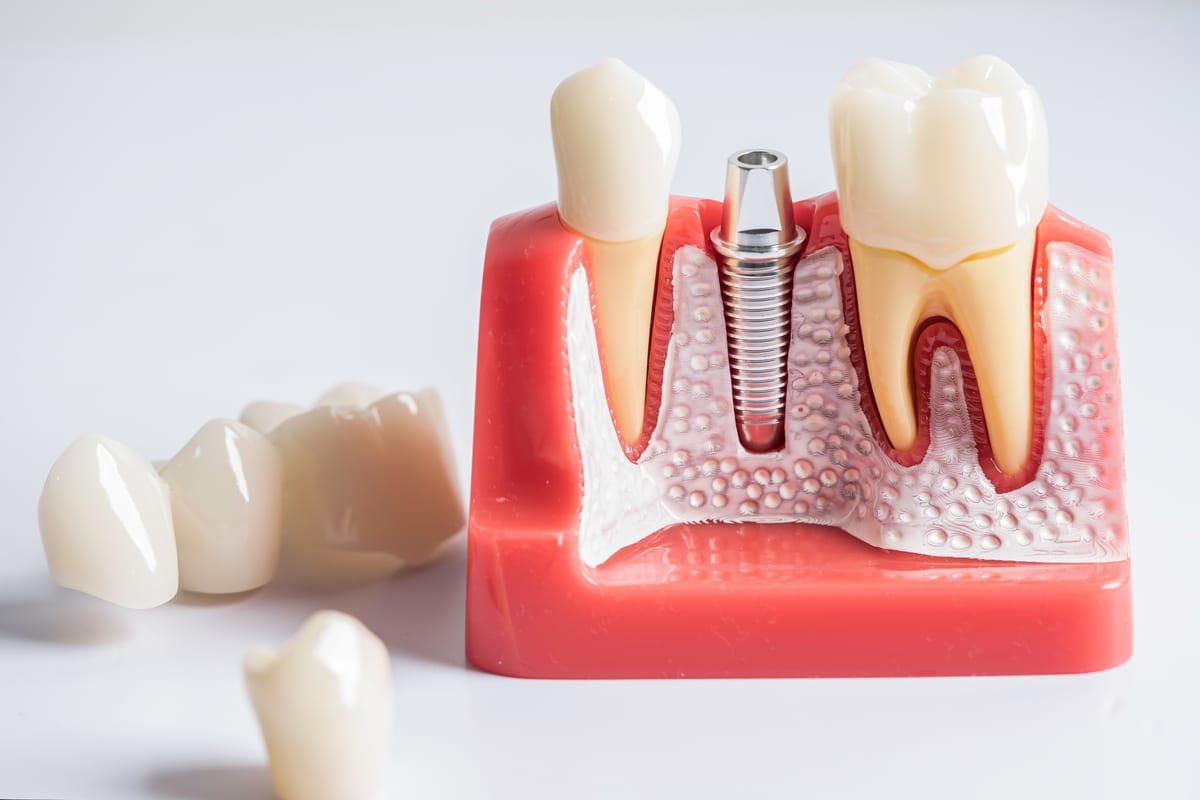
Dental crowns are one of the most common solutions for a significantly broken tooth. They cap the damaged tooth and restore both its function and appearance. Dr. Aleeahna Phan evaluates each case carefully before recommending the best approach for you.
When a break extends into the inner pulp of the tooth, a Root Canals Austin procedure may be necessary. This removes infected or damaged tissue from inside the tooth. Many patients are surprised to find that modern root canal treatment is far more comfortable than they expected.
In some cases involving younger patients or children, the dentist may discuss Root Canals On Baby Teeth Austin as a treatment option. Preserving baby teeth matters more than many parents realize. These teeth hold space for adult teeth and support proper development.
What to Avoid After Breaking a Tooth — Especially in Austin’s Climate
Austin’s warm climate means many residents enjoy cold drinks, ice cream, and outdoor meals year-round. Unfortunately, these habits can worsen a broken tooth situation quickly. Cold and sugary foods irritate exposed nerves and increase your pain significantly.
Avoid pressing on the broken tooth with your tongue or finger. It might feel instinctive to probe the area, but this can shift fragments and introduce bacteria. The same goes for using the tooth to open packaging or bite into anything tough.
Do not delay your dental appointment, even if the pain subsides. A tooth that stops hurting on its own is not necessarily healing. In some cases, reduced pain signals nerve damage — which actually requires more urgent care, not less.
Also avoid DIY repair kits as a long-term fix. Emergency dental cement from a pharmacy is fine for a few hours. It is not a substitute for professional treatment from a qualified dentist like Dr. Aleeahna Phan.
When Your Broken Tooth Is a Dental Emergency
Not every broken tooth is a full emergency, but some situations absolutely require same-day care. Knowing the difference helps you respond appropriately and protect your long-term oral health.
Seek emergency dental care immediately if you experience any of the following situations:
- Severe or throbbing pain that does not respond to over-the-counter pain relief
- Visible pink or red tissue inside the broken tooth
- Significant bleeding that does not stop after 10 minutes of pressure
- Signs of infection such as swelling, fever, or a bad taste in your mouth
- A completely knocked-out tooth — time is critical in this scenario
Hapii Dental Austin offers emergency dentistry services for patients who need urgent care. Dr. Aleeahna Phan understands that dental emergencies do not follow a schedule. The team works to see emergency patients as quickly as possible.
If you are experiencing a life-threatening emergency such as difficulty breathing or swallowing, go directly to your nearest emergency room. Dental infections can spread and become medically serious without prompt treatment.
Conclusion: Your Next Step After a Broken Tooth in Austin
A broken tooth is stressful, but you do not have to face it alone. Rinse gently, manage pain safely, protect the area, and contact your dentist right away. The steps you take in those first hours can save your tooth and your comfort. Dr. Aleeahna Phan and the team at Hapii Dental Austin are ready to guide you through every part of your recovery. Book Now to schedule your appointment with our team.
Frequently Asked Questions
Is a broken tooth always a dental emergency?
Not always. A small chip without pain may wait a day or two for a regular appointment. However, severe pain, exposed nerves, infection signs, or a completely knocked-out tooth require immediate emergency dental care. When in doubt, call your dentist right away for guidance specific to your situation.
Can a broken tooth heal on its own?
No. Unlike bones, teeth cannot regenerate or repair themselves. A broken tooth will not heal without professional dental treatment. Delaying care typically allows bacteria to enter the tooth, increasing your risk of infection and making treatment more complex over time.
What should I do if my tooth breaks at night or on a weekend?
Rinse your mouth with warm water and use dental wax to cover any sharp edges. Take over-the-counter pain relief as directed. Contact your dental practice as soon as they open, or use their emergency line if available. Hapii Dental Austin offers emergency dentistry services for urgent situations.
Will I need a root canal if my tooth breaks?
It depends on how deep the break is. If the crack or break reaches the inner pulp of the tooth, a root canal may be necessary to remove damaged tissue and prevent infection. Your dentist will evaluate the tooth with an X-ray and recommend the most appropriate treatment for your specific case.
How long can I wait before seeing a dentist for a broken tooth?
You should contact a dentist as soon as possible — ideally within 24 hours. Even if pain is manageable, bacteria can enter the exposed tooth quickly. Waiting too long may turn a straightforward repair into a more complex and involved procedure. Early treatment almost always leads to better outcomes.