
Many Austin patients tell us the same thing before their appointment: “I hate cleanings because my teeth hurt.” If that sounds familiar, you are not alone. Understanding why your teeth feel sensitive during cleaning — and how we stop it — in Austin is something Dr. Aleeahna Phan and the Hapii Dental Austin team take seriously. Sensitivity during a cleaning is common, but it does not have to ruin your experience. We have practical, proven ways to keep you comfortable from start to finish.
Why Sensitivity Happens During a Dental Cleaning
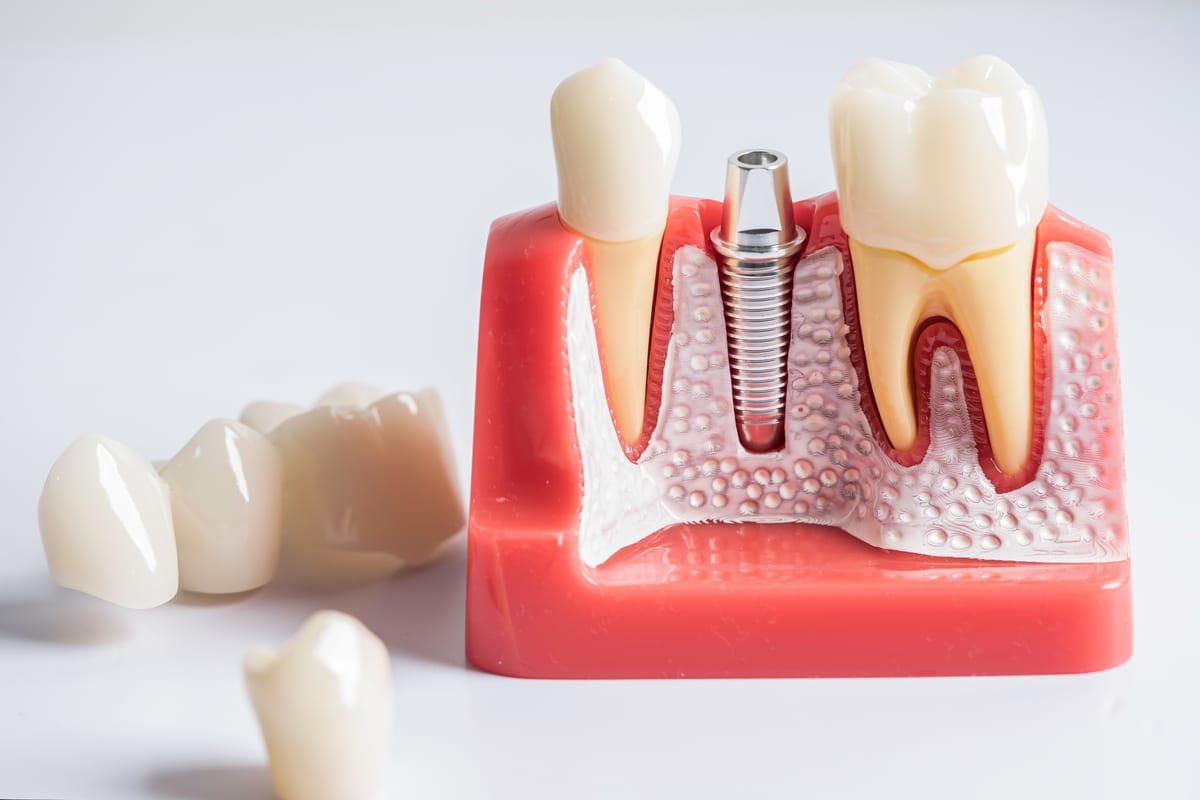
Tooth sensitivity during a cleaning usually comes down to a few key reasons. The most common cause is exposed dentin. Dentin is the inner layer of your tooth, and it contains tiny nerve channels called tubules. When gum tissue recedes or enamel wears thin, those tubules become exposed.
Scaling instruments and water used during cleaning can stimulate those nerve channels. That creates a sharp, brief sensation that many patients describe as a zap or zing. It is not damage — it is your nerves responding to stimulation.
Gum inflammation is another major factor. If you have early-stage gum disease or simply have not had a cleaning in a while, your gum tissue becomes swollen and tender. Touching inflamed tissue — even gently — triggers discomfort. The good news is that regular cleanings reduce this inflammation over time.
- Exposed dentin from gum recession or enamel erosion
- Gum inflammation from plaque and tartar buildup
- Naturally sensitive teeth due to genetics
- Teeth grinding, which wears down enamel over time
- Recent whitening treatments that temporarily increase sensitivity
What Our Austin Hygienist Does to Minimize Your Discomfort
At Hapii Dental Austin, we do not ignore your sensitivity — we plan around it. Before your cleaning begins, your hygienist will ask about any areas that bother you. That simple conversation helps us map out a gentler approach.
We can apply a topical numbing gel to sensitive areas before scaling. This takes effect quickly and significantly reduces discomfort during the cleaning. For patients with moderate to severe sensitivity, we may also recommend a desensitizing agent applied directly to exposed dentin.
Our hygienists adjust pressure and technique based on your feedback. If something hurts, you can raise your hand at any time and we will pause. We also use warm water during rinsing, which tends to be less shocking than cold water on sensitive teeth.
- Topical numbing gel applied before scaling begins
- Desensitizing agents for patients with persistent sensitivity
- Adjusted instrument pressure for delicate areas
- Warm water rinses instead of cold
- Frequent check-ins throughout your appointment
How Gum Health Connects to Sensitivity in Austin Patients
Many Austin patients are surprised to learn that gum health plays a huge role in how their teeth feel during cleanings. Healthy gums hug your teeth tightly and protect the sensitive root surface underneath. When gum disease develops, the gums pull away from the tooth. That exposes the root, which has no enamel protection at all.
Root surfaces are far more sensitive than the crown of your tooth. Cleaning along the gumline or beneath it — which is necessary to remove tartar — can feel intense on exposed roots. This is especially true for patients who need deeper periodontal care.
Consistent periodontal care at Hapii Dental Austin helps restore gum health over time. As inflammation decreases and gums firm up, patients typically report that their cleanings become noticeably more comfortable. Skipping cleanings actually makes sensitivity worse in the long run.
In some cases, sensitivity near the gumline may signal a problem that goes deeper than the surface. Our team can help determine whether you need additional treatment. Conditions affecting the tooth’s inner pulp — sometimes addressed through Root Canals Austin — can also contribute to persistent sensitivity during routine care.
When Sensitivity May Signal Something More Serious
Occasional sensitivity during a cleaning is normal. Persistent or intense pain that lingers after your appointment is not. If you feel sharp pain that lasts more than a few seconds after the instrument is removed, that is worth discussing with Dr. Phan right away.
Lingering sensitivity can sometimes point to issues like a cracked tooth, deep decay, or pulp irritation. These conditions need evaluation beyond a standard cleaning. In younger patients, it is worth noting that pulp health in primary teeth matters too — which is why treatments like Root Canals On Baby Teeth Austin exist as a real option when sensitivity stems from deeper problems in children.
If you notice that one specific tooth hurts far more than the others during cleaning, mention it. Your hygienist will flag it for Dr. Phan to examine during your post-cleaning exam. Catching problems early saves you time, discomfort, and more complex treatment later.
Tips to Reduce Sensitivity Before Your Next Cleaning
There are steps you can take at home to make your next cleaning more comfortable. Starting about two weeks before your appointment, switch to a sensitivity toothpaste. These products contain compounds that block the nerve channels in your dentin and reduce the zing sensation.
Avoid acidic foods and drinks in the days leading up to your visit. Citrus, soda, and vinegar-based foods temporarily soften enamel and can increase sensitivity. Give your enamel time to remineralize before you sit in the chair.
Stay consistent with your cleaning schedule. The longer you wait between cleanings, the more tartar builds up and the more inflamed your gums become. Patients who come in every six months consistently report less discomfort than those who visit irregularly.
Frequently Asked Questions
Is it normal for teeth to hurt during a professional cleaning?
Yes, mild sensitivity during a cleaning is very common. It usually results from exposed dentin, gum inflammation, or tartar removal near the gumline. The sensation is typically brief and not a sign of damage. If discomfort is severe or lingers, let your hygienist know immediately.
Can I ask my hygienist to stop if the cleaning hurts too much?
Absolutely. At Hapii Dental Austin, we encourage patients to raise their hand any time they feel uncomfortable. Your hygienist will pause, check in, and adjust the approach. You are always in control of your experience during your visit.
Will my cleanings always feel this sensitive, or does it get better?
For most patients, sensitivity improves significantly with consistent care. As gum inflammation decreases and your gum tissue becomes healthier, cleanings feel progressively more comfortable. Staying on a regular schedule is one of the best things you can do to reduce long-term sensitivity.
What can I do at home to prepare for a less painful cleaning?
Use a sensitivity toothpaste for two weeks before your appointment. Avoid highly acidic foods in the days leading up to your visit. Brush gently with a soft-bristled brush and floss daily to keep your gums in the best shape possible before you arrive.
Should I be worried if one tooth hurts a lot more than others during cleaning?
Significant pain in one specific tooth during cleaning can sometimes indicate a deeper issue, such as decay, a crack, or pulp irritation. Mention it to your hygienist or Dr. Phan during your visit. An evaluation will help determine whether additional treatment is needed.
You deserve a cleaning experience that does not fill you with dread. Dr. Aleeahna Phan and the team at Hapii Dental Austin are committed to making every appointment as comfortable as possible — for anxious patients and sensitive teeth alike. Book Now to schedule your appointment with our team.