
Dental implants are one of the most effective tooth-replacement options available today. Understanding what to expect after dental implant surgery is your recovery roadmap in Austin — and it starts the moment you leave our office. At Hapii Dental Austin, Dr. Aleeahna Phan guides every patient through each phase of healing. Knowing what lies ahead helps you stay calm, comfortable, and confident.
Your Recovery Timeline: What to Expect After Dental Implant Surgery in Austin
Recovery after dental implant surgery follows a predictable pattern. Most patients experience the most noticeable discomfort during the first 72 hours. Swelling and mild bleeding are completely normal during this window. Your body is simply beginning the healing process around the implant site.
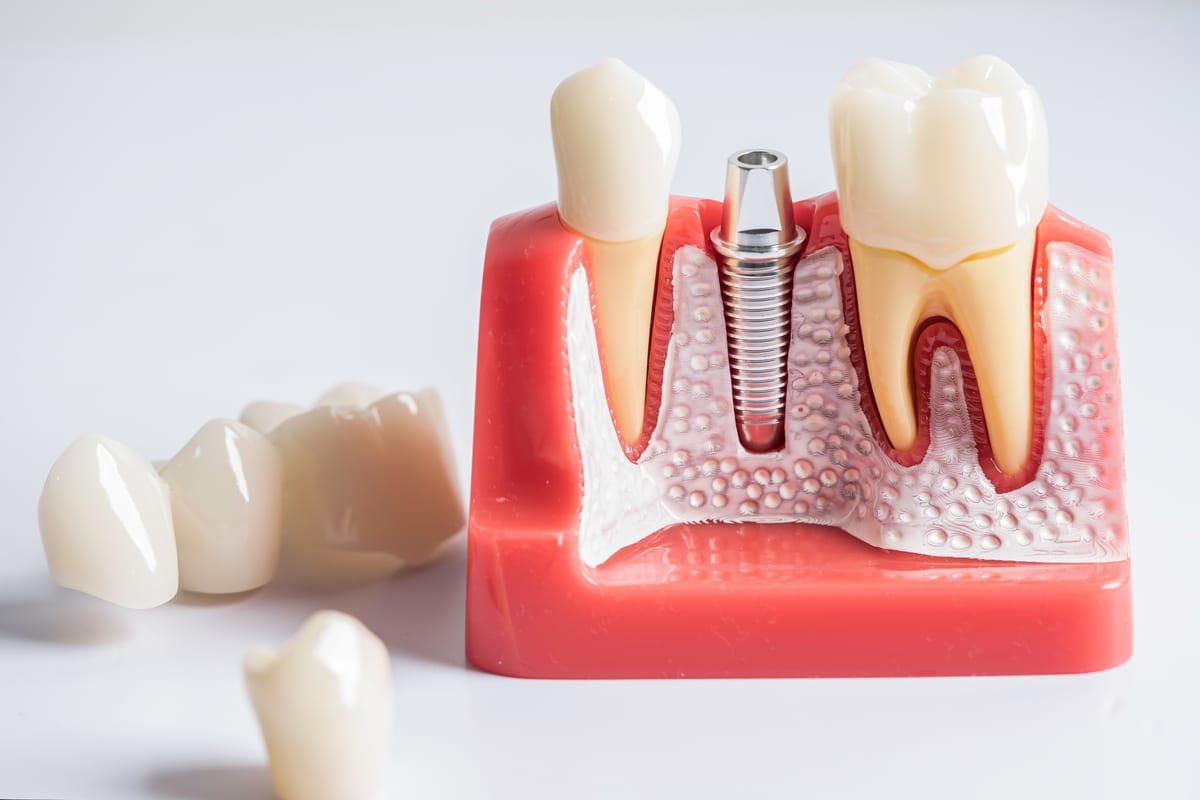
By the end of the first week, swelling and tenderness typically begin to subside. Many patients return to light daily activities within two to three days. However, full osseointegration — the process where the implant fuses with your jawbone — takes three to six months. This longer phase requires patience but is essential for a stable, lasting result.
Here is a simple breakdown of the general recovery stages:
- Days 1–3: Swelling, minor bleeding, and soreness peak during this period
- Days 4–7: Discomfort decreases and soft tissue begins to heal
- Weeks 2–4: Most patients feel close to normal and resume regular routines
- Months 2–6: Osseointegration completes and your final restoration is placed
Dr. Phan will schedule follow-up appointments to monitor every stage of your healing. Attending these visits is just as important as the surgery itself. Regular check-ins allow us to catch any concerns early and keep your recovery on track.
Managing Pain and Swelling After Your Implant Procedure
Pain management is a top concern for most implant patients. The good news is that discomfort is very manageable with the right approach. Dr. Phan will provide specific post-operative instructions tailored to your situation. Following them closely makes a significant difference in how quickly you heal.
Over-the-counter pain relievers such as ibuprofen work well for most patients. Ibuprofen also helps reduce inflammation, which makes it a dual-purpose option. Apply a cold pack to the outside of your cheek in 20-minute intervals during the first 24 hours. This step alone dramatically reduces swelling and provides real comfort.
Here are additional pain and swelling management tips our team recommends:
- Keep your head elevated, even while sleeping, for the first two nights
- Avoid rinsing vigorously or spitting forcefully during the first 24 hours
- Use prescribed or recommended mouth rinses starting the day after surgery
- Avoid smoking or tobacco products, which significantly slow healing
- Contact our office immediately if pain worsens after day three
Persistent or worsening pain beyond the first few days deserves attention. It may indicate an infection or another complication that needs prompt care. At Hapii Dental Austin, we are always available to address your concerns quickly and compassionately.
What to Eat During Implant Recovery in Austin
Your diet plays a major role in how well you heal after implant surgery. Eating the right foods protects the surgical site and supports tissue repair. Soft foods are your best friends during the first one to two weeks. Avoid anything hard, crunchy, or chewy until Dr. Phan gives you the green light.
Excellent soft food options include smoothies, yogurt, mashed potatoes, scrambled eggs, and soup. Make sure soups are lukewarm — not hot — since heat can irritate the healing tissue. Avoid using straws for the first few days, as suction can disturb the implant site. Staying well-nourished helps your body dedicate energy to healing.
As your comfort improves over weeks two and three, you can gradually reintroduce firmer foods. Always chew on the opposite side of the implant when possible. This protects the site while still allowing you to enjoy a more varied diet. Dr. Phan will advise you on exactly when it is safe to return to your normal eating habits.
Long-Term Implant Care: Protecting Your Investment
Dental implants can last a lifetime with the right care. The long-term success of your implant depends heavily on your daily oral hygiene routine. Brush twice daily with a soft-bristled toothbrush and use a low-abrasive toothpaste. Floss carefully around the implant using implant-specific floss or an interdental brush.
Professional cleanings at Hapii Dental Austin are equally important for implant longevity. We recommend scheduling at least two hygiene visits per year. Our team will use non-abrasive cleaning instruments specifically designed for implant surfaces. Consistent professional care prevents peri-implantitis, a gum condition that can threaten implant stability.
Other long-term care habits that support implant health include:
- Wearing a night guard if you grind your teeth during sleep
- Avoiding chewing on ice or extremely hard objects
- Quitting smoking to protect both the implant and surrounding gum tissue
- Attending all scheduled follow-up appointments with Dr. Phan
It is also worth noting that some patients need additional dental treatments to support their overall oral health. For example, untreated tooth infections nearby can affect implant outcomes. Conditions like those requiring Root Canals Austin should be addressed before or alongside implant planning. In younger patients or parents of young children, procedures like Root Canals On Baby Teeth Austin may also need to be considered as part of a comprehensive dental plan.
Conclusion: Start Your Implant Recovery With Confidence at Hapii Dental Austin
Knowing what to expect after dental implant surgery is your recovery roadmap in Austin — and preparation makes all the difference. From the first 72 hours of healing to long-term implant care, every step matters. Dr. Aleeahna Phan and the Hapii Dental Austin team are here to support you every step of the way. You do not have to navigate this process alone.
We believe patient education is the foundation of excellent dental care. When you understand your recovery, you feel empowered rather than anxious. Our team combines clinical expertise with genuine compassion to make your implant journey smooth and successful. Austin patients trust us because we treat you like family — not just a patient.
Ready to take the next step toward a confident, lasting smile? Book Now to schedule your appointment with our team.
Frequently Asked Questions
How long does it take to fully recover from dental implant surgery?
Initial soft tissue healing typically takes one to two weeks. Full osseointegration, where the implant fuses with the jawbone, takes three to six months. During this time, most patients return to normal daily activities within a few days. Dr. Phan monitors your progress at each follow-up visit to ensure everything is on track.
Is dental implant surgery painful during recovery?
Most patients describe the discomfort as mild to moderate, peaking in the first 72 hours. Over-the-counter anti-inflammatory medications and cold compresses manage the pain effectively for most people. Dr. Phan provides personalized post-operative instructions to keep you comfortable throughout your recovery. If pain worsens after day three, contact our office right away.
What foods should I avoid after getting a dental implant?
Avoid hard, crunchy, sticky, or chewy foods during the first two weeks of recovery. Hot beverages and soups should also be avoided immediately after surgery, as heat can irritate healing tissue. Stick to soft foods like yogurt, mashed potatoes, smoothies, and scrambled eggs. Dr. Phan will advise you when it is safe to gradually reintroduce firmer foods.
How do I keep my dental implant clean after surgery?
Gentle oral hygiene begins the day after surgery with a soft-bristled toothbrush and careful movements around the implant site. Your dentist may recommend a special antimicrobial mouth rinse for the first few weeks. Avoid vigorous rinsing or spitting during the initial healing period. Long-term care involves daily brushing, flossing, and regular professional cleanings at Hapii Dental Austin.
Can I go back to work the day after dental implant surgery?
Many patients return to desk jobs or remote work within one to two days after surgery. Jobs that involve heavy physical labor or exertion may require a longer break of three to five days. Listen to your body and follow Dr. Phan’s specific recommendations for your case. Pushing yourself too soon can slow healing and increase the risk of complications.