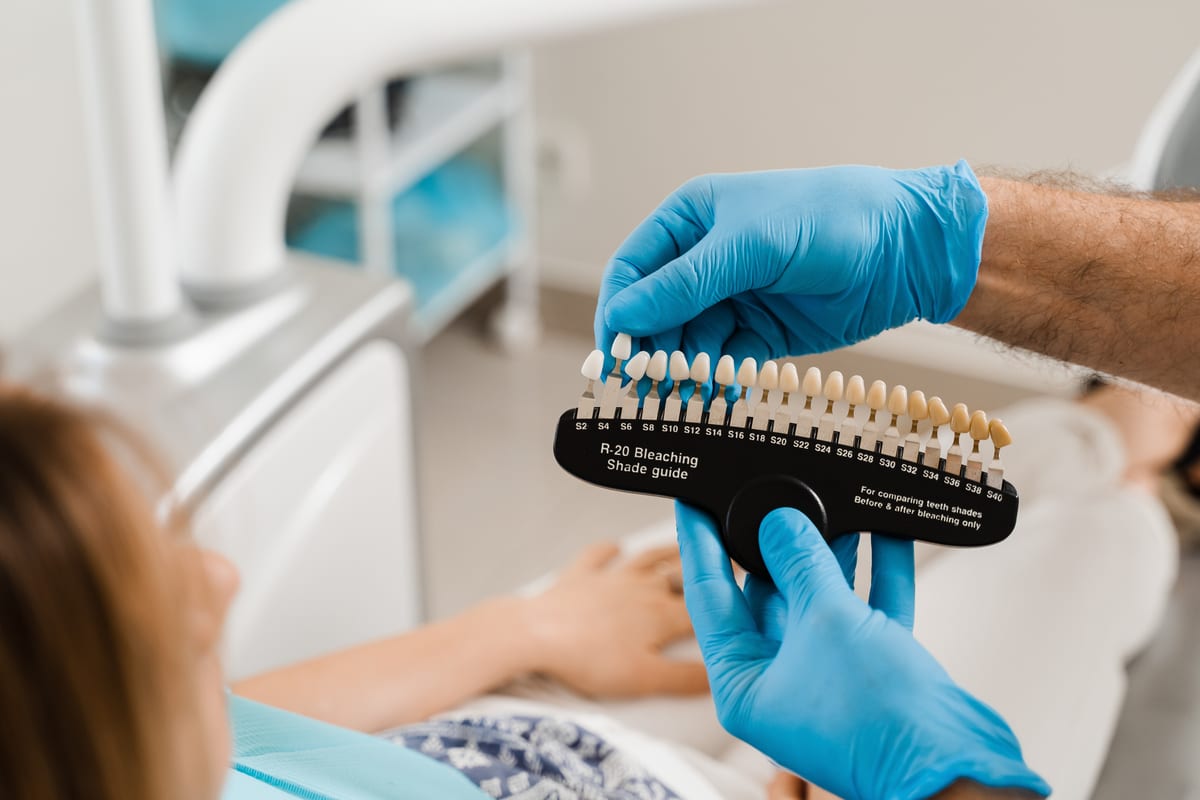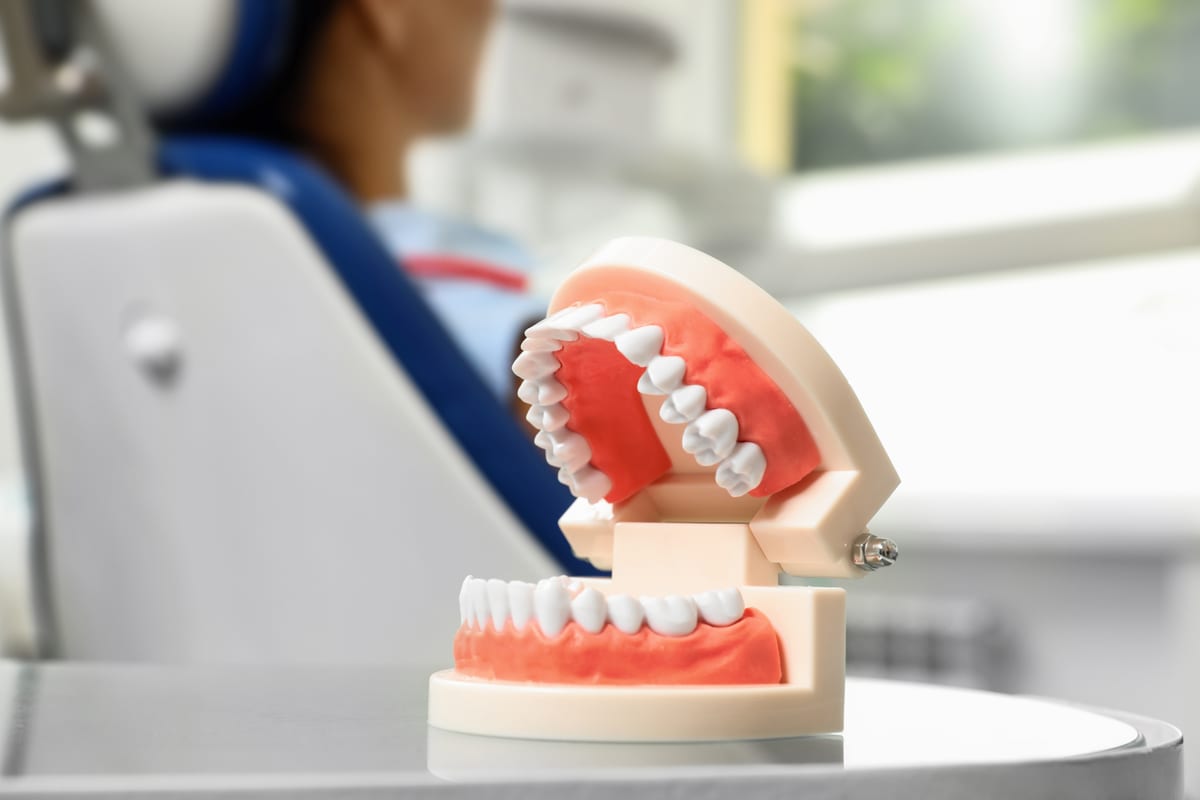



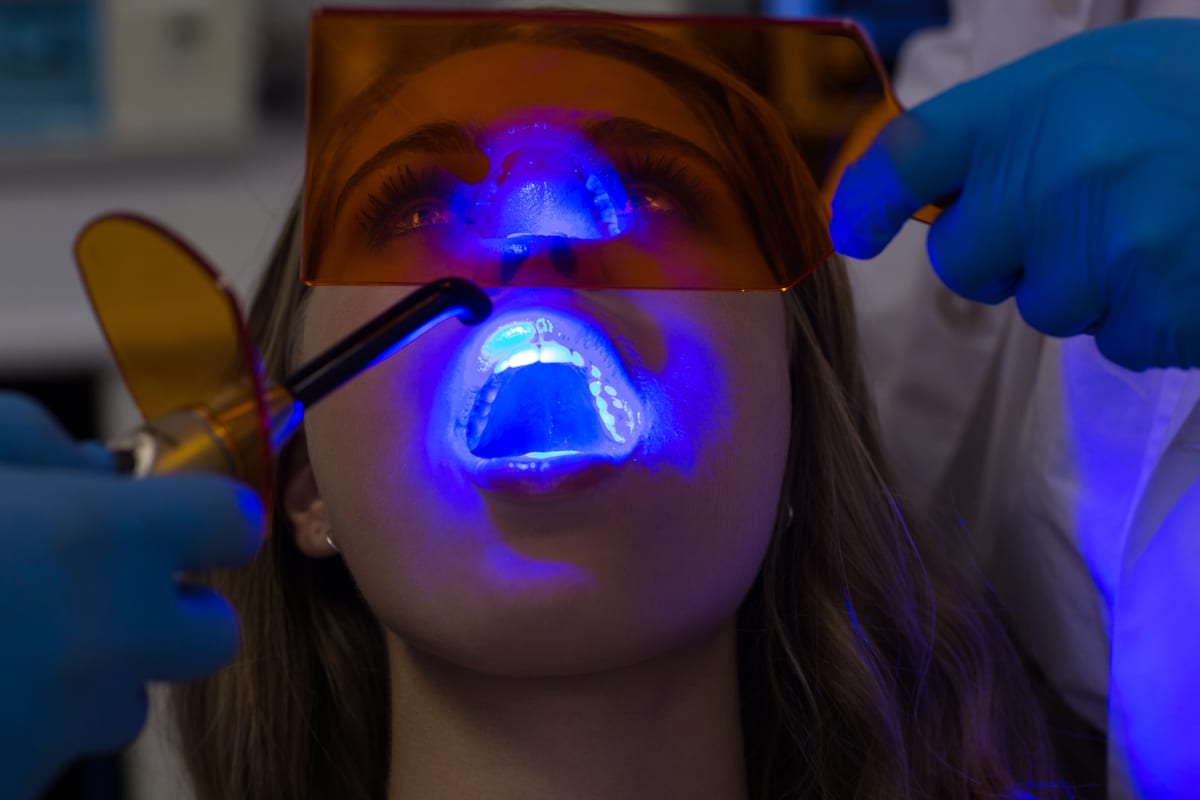
Thinking about teeth whitening in Austin? Before you invest time and money, you deserve a straight answer. Will your teeth actually whiten? That depends on what caused the discoloration in the first place. This candidacy guide helps Austin patients self-screen before booking a whitening treatment. Dr. Aleeahna Phan at Hapii Dental Austin walks you through the key factors that determine your results.
How Teeth Whitening Actually Works
Whitening treatments use peroxide-based agents to break apart stain molecules. These agents penetrate the outer enamel layer and lift color from within. Professional treatments use higher concentrations than store-bought kits. That means faster, more noticeable results — but only for certain types of staining.
Whitening works on extrinsic stains — those that sit on or near the enamel surface. Common culprits include coffee, tea, red wine, and tobacco. These respond well to peroxide treatments. Intrinsic stains, which develop inside the tooth structure, are a different story entirely.
Understanding the difference between these two stain types is the foundation of any realistic candidacy assessment. Many patients come in expecting dramatic results and feel disappointed when they don’t qualify. Knowing your stain type upfront saves frustration and sets proper expectations.
Who Are the Best Whitening Candidates in Austin?
Ideal candidates share several key traits. They have healthy enamel, no active gum disease, and staining caused by lifestyle factors. If this sounds like you, professional whitening may deliver excellent results.
Here are the strongest signs you are a good whitening candidate:
- Your stains come from food, drinks, or tobacco use
- Your teeth and gums are currently healthy
- You have no untreated cavities or enamel erosion
- Your teeth are natural — not crowned or heavily restored
- You have realistic expectations about shade improvement
Patients with surface stains and healthy mouths typically see two to eight shades of improvement. Results last longer when patients maintain good oral hygiene and limit staining foods. A professional cleaning before whitening also boosts results significantly. Hapii Dental Austin recommends pairing whitening with a routine cleaning for the best outcome.
Who Will NOT Get Results From Whitening — Austin Patients Take Note
This section is the heart of any honest candidacy guide. Some patients simply will not respond to whitening agents. Knowing this early helps you explore better alternatives without wasted effort.
Dental restorations do not whiten. Crowns, veneers, bridges, and tooth-colored fillings are made from ceramic or composite materials. Peroxide agents cannot change their color. If your front teeth include these restorations, whitening your natural teeth may create a mismatched, uneven appearance.
Intrinsic staining also resists whitening treatment. This type of discoloration develops inside the tooth structure itself. Common causes include:
- Tetracycline or antibiotic use during childhood tooth development
- Excessive fluoride exposure (dental fluorosis)
- Tooth trauma causing internal bleeding and darkening
- Aging and natural thinning of enamel over time
- Certain genetic conditions affecting enamel formation
Patients with these conditions often need cosmetic alternatives like veneers or crowns. These options cover rather than lift discoloration. They also offer more predictable, longer-lasting color control.
It is also worth noting that whitening does not address dental health concerns. If you have untreated decay or gum inflammation, whitening must wait. Applying bleaching agents to unhealthy tissue can cause pain and damage. Always address oral health issues before pursuing cosmetic treatments.
Medication-Induced and Developmental Staining: A Closer Look
Medication-induced staining is one of the most misunderstood whitening disqualifiers. Tetracycline antibiotics, when taken during tooth development, bind to the calcium in forming teeth. This creates deep gray, brown, or banded discoloration that sits inside the tooth structure. No amount of peroxide will remove it.
Patients often feel frustrated when they discover this. They may have tried multiple whitening kits without success. If you fall into this category, veneers are typically the most effective solution. They create a new, uniform surface that masks the underlying discoloration completely.
Dental fluorosis is another developmental condition that limits whitening effectiveness. Mild fluorosis may cause white spots or streaks. Moderate to severe fluorosis creates brown pitting and uneven color. Whitening may actually make white-spot fluorosis more visible, not less. A dentist’s evaluation is critical before proceeding.
Some medications taken in adulthood also affect tooth color. Iron supplements, antihistamines, and certain blood pressure medications are known contributors. These tend to cause surface staining that responds better to whitening. Always share your full medication list during your dental consultation.
What Austin Patients Should Do Before Whitening
The smartest first step is a professional dental evaluation. Dr. Aleeahna Phan will assess your stain type, tooth health, and existing restorations. This gives you a clear picture of what whitening can and cannot achieve for your specific smile. It also prevents you from spending money on a treatment that won’t work.
During your evaluation, your dentist will check for cavities, gum disease, and enamel erosion. Any of these must be treated first. This is also a good time to ask about treatments like Root Canals Austin if you have any lingering tooth pain that might indicate a deeper issue. Addressing all health concerns before cosmetic work is always the right order of operations.
For parents, it is also worth knowing that children’s dental health affects their adult smile. If your child has tooth pain or nerve concerns, your dentist can explain options like Root Canals On Baby Teeth Austin to preserve developing teeth. Healthy primary teeth support proper adult tooth eruption and alignment.
After your evaluation, your dentist will outline the best path forward. That may be professional whitening, veneers, crowns, or a combination approach. Every plan starts with understanding your unique candidacy profile.
Whitening Alternatives for Non-Candidates
Not qualifying for whitening does not mean you cannot achieve a brighter smile. Several cosmetic options work for patients with intrinsic staining or existing restorations.
Porcelain veneers are thin shells bonded to the front surface of teeth. They cover severe discoloration, chips, and uneven shapes. Veneers offer long-lasting color stability and a natural appearance. They are one of the most popular alternatives for patients who do not respond to whitening.
Dental crowns restore severely discolored or damaged teeth with a full ceramic cap. Crowns improve both appearance and function. They are especially useful when significant structural damage accompanies the discoloration. Cosmetic bonding is another option for minor cases of uneven color or white spots.
The right alternative depends on your goals, your budget, and the extent of discoloration. A consultation with Dr. Phan at Hapii Dental Austin helps you weigh these options clearly and honestly.
Conclusion: Know Your Candidacy Before You Whiten
Whitening works beautifully for the right candidates — and delivers little to nothing for others. The key is knowing which category you fall into before you start. This guide gives Austin patients a framework for self-screening, but a professional evaluation is always the most accurate next step. Book Now to schedule your appointment with our team.
Frequently Asked Questions
Can whitening damage my teeth if I’m not a good candidate?
Yes, applying whitening agents to teeth with enamel erosion, cavities, or gum disease can cause sensitivity and pain. This is why a dental evaluation before whitening is so important. Your dentist will identify any risks and recommend a safe alternative if needed.
How do I know if my stains are extrinsic or intrinsic?
A dentist can determine this during a visual examination. Extrinsic stains typically appear as general yellowing or surface discoloration from food and drinks. Intrinsic stains often show as gray, brown, or banded coloring that doesn’t respond to over-the-counter products. If whitening kits have never worked for you, intrinsic staining is a likely cause.
Will whitening work on one discolored tooth?
It depends on why that tooth is discolored. A single dark tooth often signals internal damage from trauma or a dying nerve. Whitening will not fix this. A dental evaluation — and possibly root canal treatment — is the appropriate first step for an isolated dark tooth.
How long do whitening results last for good candidates?
Results typically last six months to two years, depending on diet and oral hygiene habits. Avoiding staining foods and beverages, combined with good brushing habits, extends results significantly. Touch-up treatments can also help maintain brightness over time.
Is professional whitening better than store-bought kits?
For eligible candidates, professional whitening is significantly more effective. It uses higher-concentration peroxide agents and custom trays that ensure even coverage. Results are faster and more noticeable. For non-candidates, neither professional nor store-bought whitening will deliver meaningful results — which is why candidacy screening matters so much.