

If you’re weighing veneers vs. bonding to fix your smile in Austin, you’re not alone. Many patients come to Hapii Dental Austin asking the same question. Both treatments can dramatically improve your appearance. But they differ in cost, longevity, and how much tooth structure they affect. Understanding which smile fix fits your budget and goals in Austin starts with knowing how each option actually works.
What Are Veneers and How Do They Work?
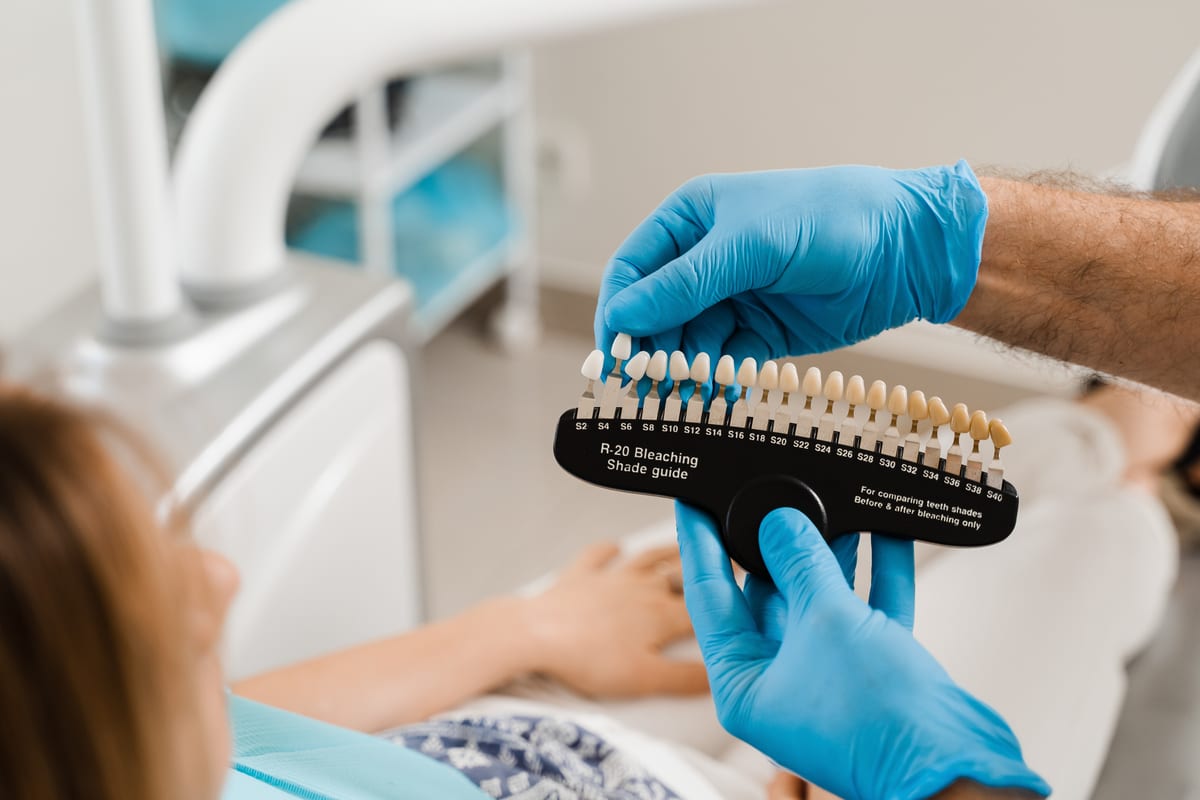
Veneers are thin shells of porcelain or composite material. They bond permanently to the front surface of your teeth. Dr. Aleeahna Phan custom-designs each veneer to match your desired shade and shape. The result is a natural-looking, long-lasting smile transformation.
Porcelain veneers typically require a small amount of enamel removal. This makes the process irreversible. However, the payoff is a durable, stain-resistant surface that mimics real tooth enamel beautifully. Most porcelain veneers last between 10 and 20 years with proper care.
Composite veneers are a middle-ground option. They cost less than porcelain but may not last as long. Your dentist applies composite resin directly to the tooth and sculpts it into shape. They can be a great choice for patients wanting a preview of their final look.
What Is Dental Bonding and When Does It Make Sense?
Dental bonding uses a tooth-colored composite resin applied directly to your tooth. The dentist shapes and hardens it using a special curing light. Bonding can fix chips, cracks, gaps, and discoloration in a single visit. It’s one of the quickest cosmetic treatments available at Hapii Dental Austin.
Bonding generally requires little to no enamel removal. This makes it a minimally invasive and reversible option. It’s ideal for patients with minor cosmetic concerns who want fast results. However, bonding is more prone to staining and chipping than porcelain veneers.
Bonding typically lasts between three and seven years. Lifestyle habits like coffee drinking or nail biting can shorten that lifespan. Touch-ups and repairs are straightforward and affordable. Many Austin patients choose bonding as a starting point before committing to veneers later.
Veneers vs. Bonding: Comparing Cost, Longevity, and Invasiveness in Austin
When comparing these two treatments side by side, the differences become clearer. Here’s a quick breakdown to help guide your decision:
- Cost: Bonding is more affordable upfront. Porcelain veneers carry a higher cost but offer longer-lasting results.
- Longevity: Veneers last 10–20 years. Bonding lasts 3–7 years on average.
- Invasiveness: Bonding requires minimal to no enamel removal. Veneers typically require light enamel shaping.
- Stain resistance: Porcelain veneers resist stains well. Composite bonding can discolor over time.
- Repair: Bonding is easier and cheaper to fix. Veneers require more involved replacement when damaged.
- Appearance: Both look natural. Porcelain veneers often achieve a more polished, high-definition result.
Neither option is universally better. The right choice depends on your specific goals and budget. Dr. Phan evaluates each patient individually before recommending a treatment path. A consultation at Hapii Dental Austin helps you weigh those factors with expert guidance.
Which Option Is Right for Your Smile Goals?
Your smile goals matter most in this decision. If you have one chipped tooth or a minor gap, bonding is often the smarter choice. It’s fast, affordable, and highly effective for isolated concerns. There’s no need to alter healthy enamel unnecessarily.
If you want to transform multiple teeth at once, veneers deliver more consistent results. They cover imperfections like severe discoloration, uneven sizing, and deep staining. Veneers also give you a longer-lasting, lower-maintenance solution over time. For Austin patients seeking a dramatic smile makeover, veneers often provide the best return on investment.
Consider these scenarios to identify which fits you best:
- Choose bonding if: You have one or two minor chips or gaps, want a same-day fix, prefer a lower upfront cost, or want to test cosmetic changes before committing.
- Choose veneers if: You want to improve multiple teeth, deal with deep or widespread staining, want a longer-lasting result, or are ready for a full smile redesign.
Some patients even combine both treatments strategically. Bonding might address one area while veneers handle another. Dr. Phan can design a treatment plan that balances your goals with your budget. That personalized approach is what sets Hapii Dental Austin apart.
What to Expect During Your Consultation at Hapii Dental Austin
Your first step is a thorough consultation with Dr. Aleeahna Phan. She reviews your dental health, discusses your goals, and examines your teeth closely. X-rays or photos may be taken to assess your overall oral condition. This visit helps identify whether any issues need addressing before cosmetic work begins.
For example, gum health is critical before any cosmetic treatment. If you need Root Canals Austin or other restorative work first, Dr. Phan will outline that plan clearly. In some cases, younger patients may require Root Canals On Baby Teeth Austin before cosmetic options become appropriate. Treating underlying issues first protects your cosmetic investment long-term.
Dr. Phan walks you through realistic timelines and expected outcomes. She explains exactly what each procedure involves so there are no surprises. Austin patients consistently appreciate her educational and empathetic approach. You leave the consultation with a clear, confident path forward.
Conclusion: Making the Right Choice for Your Austin Smile
The veneers vs. bonding debate doesn’t have a single right answer. It depends on your goals, your budget, and the current condition of your teeth. Both options can beautifully improve your smile when chosen thoughtfully. At Hapii Dental Austin, Dr. Phan helps every patient make that decision with confidence.
Bonding is your best bet for quick, affordable fixes on minor concerns. Veneers are the superior long-term investment for a complete smile transformation. Understanding which smile fix fits your budget and goals in Austin starts with a professional evaluation. Book Now to schedule your appointment with our team.
Frequently Asked Questions
Is dental bonding painful?
Dental bonding is generally painless. Little to no enamel removal is required, so most patients don’t need anesthesia. The process is quick and comfortable. You should feel minimal sensitivity during or after the procedure.
How long do porcelain veneers last in Austin’s climate?
Porcelain veneers can last 10 to 20 years with proper care. Austin’s climate doesn’t directly impact veneer longevity. However, habits like grinding your teeth or consuming staining foods can shorten their lifespan. Dr. Phan may recommend a night guard to protect your veneers.
Can I get veneers if my teeth aren’t perfectly healthy?
You should address underlying dental health issues before getting veneers. Issues like gum disease, decay, or cracked teeth need treatment first. Dr. Phan will assess your oral health during your consultation. A healthy foundation ensures your veneers last as long as possible.
Does dental bonding stain easily?
Composite resin used in bonding is more susceptible to staining than porcelain. Coffee, tea, red wine, and tobacco can discolor bonded areas over time. Rinsing with water after consuming staining beverages can help. Your dentist can polish or touch up bonding as needed during routine visits.
Which treatment gives faster results — veneers or bonding?
Dental bonding is faster and typically completed in a single visit. Porcelain veneers require at least two appointments — one for preparation and impressions, one for placement. Both treatments deliver noticeable results relatively quickly. Your timeline preference may factor into which option you choose.