


Root canal myths that keep patients in pain in Austin are more common than most dentists like to admit. Fear based on outdated information stops people from seeking care they genuinely need. Dr. Aleeahna Phan at Hapii Dental Austin sees this every week. Patients arrive suffering — not because treatment is scary, but because myths convinced them to wait.
This article dismantles those myths one by one. If you have been avoiding the dentist because of something you heard about root canals, read this first. The truth might surprise you — and it could save your tooth.
Myth 1: Root Canals Are the Most Painful Dental Procedure
This is the most persistent myth in all of dentistry. It causes more avoidable tooth loss than almost anything else. Here is the reality: a root canal relieves pain — it does not cause it.
The tooth infection itself is what hurts. The procedure removes the infected pulp and eliminates the source of that pain. Modern anesthesia makes the treatment itself very comfortable for most patients.
Studies consistently show that root canal patients rate their experience no worse than a standard filling. The fear is real, but it is not based on current dental practice. Techniques and anesthetics have improved dramatically over the past two decades.
At Hapii Dental Austin, Dr. Phan takes extra care to ensure patients are fully numb and comfortable before starting. Nobody should white-knuckle through treatment. That is not how we work.
Myth 2: It Is Better to Pull the Tooth Than Save It
Some patients believe extraction is the simpler, safer choice. This thinking feels logical on the surface. In reality, losing a natural tooth creates a chain of problems that cost far more to fix.
When a tooth is extracted, neighboring teeth begin to shift. The jawbone in that area starts to deteriorate over time. Chewing function changes, and the bite can become uneven.
Replacing a missing tooth requires additional procedures. Options like Cosmetic Dentistry solutions, bridges, or implants all involve their own timelines and investments. Saving your natural tooth with a root canal is almost always the better long-term choice.
A natural tooth is stronger than any replacement. Root canals have a very high success rate. Preserving what you have is always the preferred path when it is still possible.
Root Canal Myths That Keep Patients in Pain Austin: The Recovery Reality
Many Austin patients believe recovery after a root canal will knock them out for days. This myth keeps people from scheduling appointments around work or family obligations. The truth is much more manageable.
Most patients return to normal activities within 24 to 48 hours. Some go back to work the very same day. Mild soreness around the treated tooth is normal, and over-the-counter pain relievers handle it easily for most people.
Here is what a typical root canal recovery actually looks like:
- Day 1: Some tenderness around the tooth — manageable with ibuprofen
- Day 2: Most patients feel significant improvement
- Day 3–5: Soreness fades; normal eating resumes
- Week 2: A crown is often placed to protect the treated tooth
Dr. Phan provides clear aftercare instructions for every patient. You will know exactly what to expect before you leave the office. There are no surprises in our care approach.
Myth 3: Root Canals Cause Illness or Spread Infection
This myth originated from debunked research published over a century ago. It claimed that root canal-treated teeth caused systemic disease throughout the body. Modern science has thoroughly disproven this claim.
Major dental and medical organizations have reviewed the evidence extensively. They consistently find no credible link between root canals and illness elsewhere in the body. The original research had serious methodological flaws.
Leaving an infected tooth untreated is actually what creates a health risk. Untreated dental infections can spread to the jaw, neck, or even the brain in severe cases. The root canal removes that risk — it does not create one.
Trusting outdated myths over current science puts your health at risk. If you have questions about this, Dr. Phan is happy to walk you through the evidence in plain language during your visit.
Myth 4: You Only Need a Root Canal If You Have Pain
This myth sends people home thinking they are fine — when they are not. Not all infected teeth cause obvious pain. Some infections develop slowly and silently until they become serious problems.
A dentist can detect infection through X-rays and clinical examination long before pain starts. Waiting for pain means waiting for the infection to worsen. By the time it hurts badly, the damage is often more extensive.
Regular checkups at Hapii Dental Austin allow Dr. Phan to catch these issues early. Early intervention means simpler treatment, faster recovery, and better outcomes. Skipping checkups because nothing hurts is a risky strategy.
Here are warning signs that may indicate you need a root canal — even without severe pain:
- Prolonged sensitivity to hot or cold temperatures
- Darkening or discoloration of a tooth
- A small bump or pimple on the gums near a tooth
- Tenderness or swelling in the gums
- A tooth that felt painful but suddenly stopped hurting
That last point is important. When tooth pain suddenly disappears on its own, it does not mean the problem resolved. It often means the nerve has died. The infection continues even when the pain stops.
What a Root Canal at Hapii Dental Austin Actually Involves
Understanding the real procedure helps replace fear with facts. A root canal is a straightforward treatment that Dr. Phan performs with care and precision. Most appointments take one to two hours.
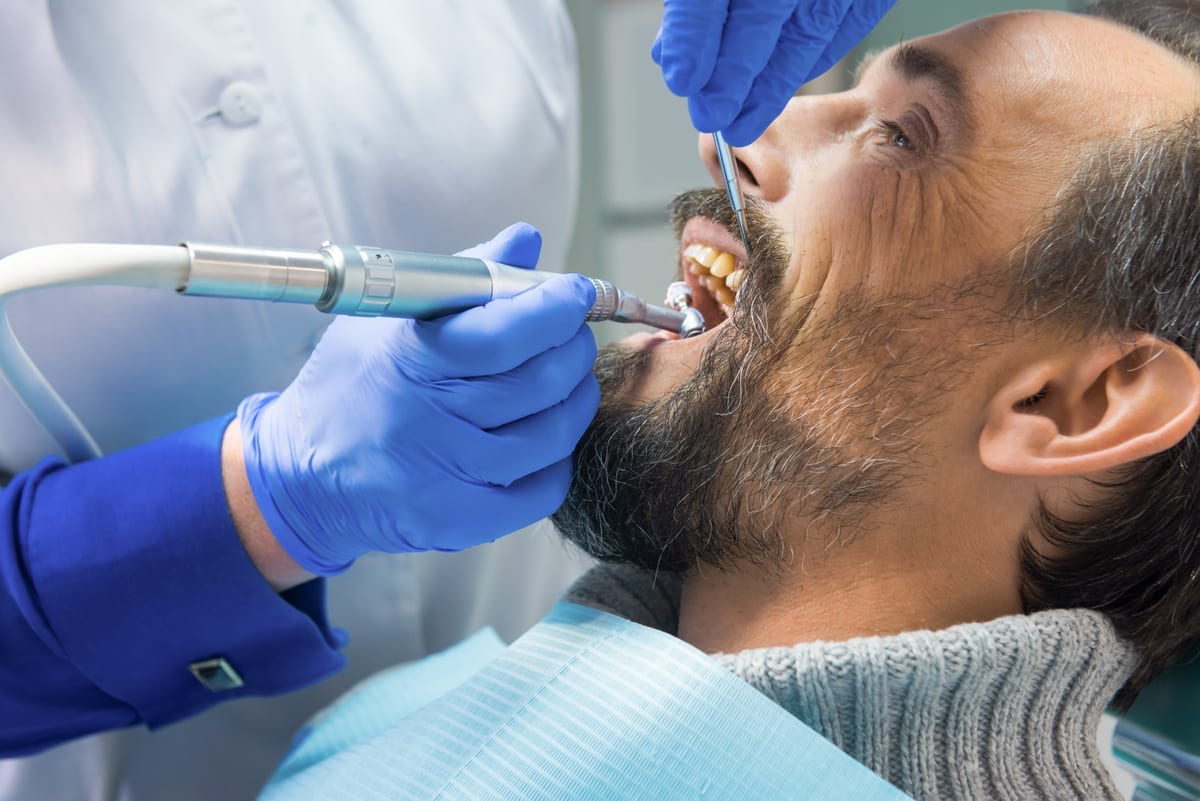
The process begins with local anesthesia to numb the area completely. Once you are comfortable, Dr. Phan creates a small opening in the tooth. She carefully removes the infected pulp tissue from inside the tooth and its root canals.
The canals are then cleaned, shaped, and sealed with a biocompatible material. A temporary or permanent filling is placed the same day. A crown is usually recommended afterward to protect and strengthen the treated tooth.
Patients who have had both fillings and root canals often say the experiences feel very similar. The root canal simply goes a step deeper. The discomfort level during the procedure is comparable for most people.
If you are curious about how your smile can be restored after treatment, our team also offers Orthodontics and other services to complete your care plan.
Conclusion: Do Not Let Myths Make Your Pain Worse
Root canal myths that keep patients in pain in Austin are a real public health problem. Fear grounded in outdated information leads to delayed care. Delayed care leads to more pain, more damage, and more complex treatment.
Dr. Aleeahna Phan and the team at Hapii Dental Austin are here to replace fear with facts. We treat every patient with empathy, honesty, and clinical excellence. You deserve accurate information — and comfortable, effective care.
If you have been putting off treatment because of something you heard about root canals, now is the time to get the real story. Book Now to schedule your appointment with our team.
Frequently Asked Questions
How long does a root canal procedure take at Hapii Dental Austin?
Most root canal treatments take between one and two hours in a single appointment. The timeline depends on which tooth is affected and the extent of the infection. Dr. Phan will give you a clear time estimate during your consultation.
Will I need a crown after my root canal?
In most cases, yes. A crown protects the treated tooth from cracking or fracturing after the pulp has been removed. Dr. Phan will discuss whether a crown is recommended for your specific situation before treatment begins.
Is a root canal safe for patients who are anxious about dental procedures?
Absolutely. Dr. Phan regularly treats anxious patients and takes a gentle, patient-centered approach. The area is numbed completely before any work begins, and the team checks in with you throughout the procedure to ensure you are comfortable.
What happens if I ignore an infected tooth and skip the root canal?
An untreated infected tooth can worsen significantly over time. The infection can spread to surrounding bone, neighboring teeth, or deeper tissues. In serious cases, dental infections can become life-threatening emergencies. Early treatment is always safer and simpler.
How do I know if I need a root canal or just a filling?
Only a clinical exam and X-rays can confirm which treatment you need. Signs like deep sensitivity, gum swelling, or a darkened tooth often point to root canal territory. Dr. Phan will assess your tooth thoroughly and recommend the least invasive option that addresses the problem effectively.