



Missing a tooth can feel overwhelming. You may wonder whether to pursue implants, a bridge, or another solution. If you’ve been asking is a dental bridge right for your missing teeth in Austin, you’re not alone. Many patients at Hapii Dental Austin come to Dr. Aleeahna Phan with that same question. This article walks you through what bridges are, who qualifies, and how the evaluation process works.
What Is a Dental Bridge and How Does It Work?
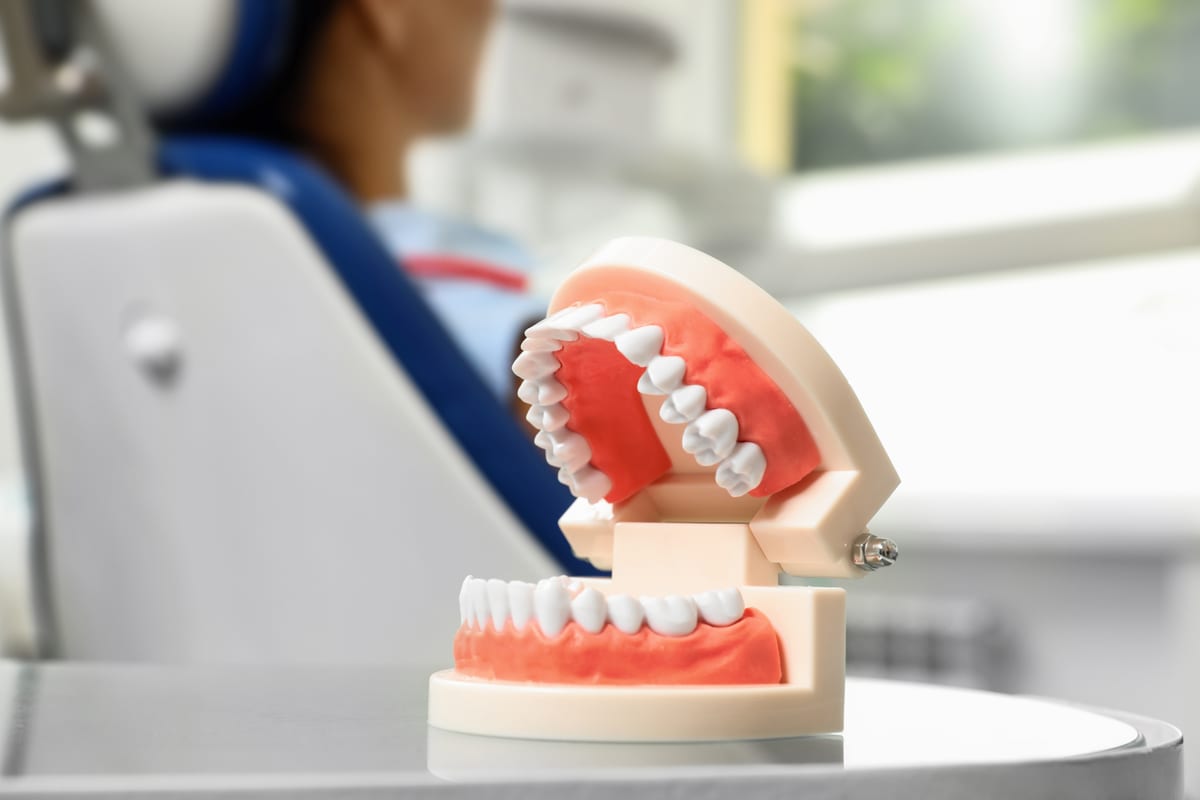
A dental bridge is a fixed restoration that replaces one or more missing teeth. It uses crowns on the neighboring teeth to anchor an artificial tooth — called a pontic — in the gap. The result is a natural-looking, functional tooth that restores your bite and smile.
Bridges are permanently cemented in place. Unlike dentures, you don’t remove them at night. They feel stable and blend in with your natural teeth when properly fitted.
There are several types of dental bridges available. The traditional bridge is the most common. Cantilever and Maryland bridges are alternatives for specific situations. Dr. Phan will recommend the right type based on your individual needs.
Are You a Good Candidate for a Dental Bridge in Austin?
Not everyone is an ideal candidate for a bridge. Several factors determine whether this treatment suits your situation. Understanding those factors helps you make an informed decision during your consultation.
Good candidates generally share these characteristics:
- One or more missing teeth in a row
- Healthy teeth on both sides of the gap to serve as anchors
- Good overall gum health with no active periodontal disease
- A stable bite without severe jaw issues
- Commitment to regular dental hygiene and cleanings
Patients with severe bone loss or weak anchor teeth may not qualify for a traditional bridge. In those cases, implants or other alternatives may serve you better. Dr. Phan evaluates each patient individually before making any recommendation.
What Does the Bridge Candidacy Evaluation Involve?
Your evaluation at Hapii Dental Austin is thorough and straightforward. Dr. Phan examines your teeth, gums, and jaw before recommending any treatment. She takes a full set of X-rays to assess bone density and anchor tooth health.
During the evaluation, she checks for signs of gum disease. Active periodontal disease must be treated before placing a bridge. Skipping this step can cause the bridge to fail early. Hapii Dental offers Root Canals Austin and periodontal care to prepare patients who need preliminary treatment.
She also evaluates whether the neighboring teeth are structurally sound. Anchor teeth must support the added stress of holding the bridge. If those teeth have deep decay or fractures, they may need treatment first. In some cases, a Root Canals On Baby Teeth Austin evaluation can offer insight into underlying dental health patterns in younger patients or those with a family history of early tooth loss.
The evaluation also includes a discussion of your goals. Dr. Phan wants to understand your lifestyle, chewing habits, and aesthetic preferences. That context shapes the final treatment plan.
Key Factors That Determine the Best Approach for You
Several clinical and personal factors influence whether a bridge is the right choice for your missing teeth. Understanding each factor helps you participate actively in your care decisions.
Here are the main factors Dr. Phan considers:
- Number of missing teeth: Bridges work best for one to three consecutive missing teeth.
- Location of the gap: Front teeth and back teeth present different functional demands.
- Bone density: Sufficient bone supports a stable bridge over time.
- Gum health: Healthy gums are essential for long-term bridge success.
- Age and long-term planning: Younger patients may benefit from implants for a lifetime solution.
- Budget and timeline: Bridges often require fewer appointments than implants.
Some patients are good candidates for both bridges and implants. In those cases, Dr. Phan explains the differences clearly. She helps you weigh the pros and cons without pressure.
Implants replace the tooth root, preserving bone over time. Bridges don’t require surgery, making them more accessible for many patients. Neither option is universally superior — the right choice depends on your unique situation.
What to Expect During the Bridge Placement Process
If Dr. Phan determines you’re a good candidate, the bridge process typically takes two to three visits. Understanding each step helps reduce anxiety and prepares you for a smooth experience.
During the first visit, she prepares the anchor teeth by reshaping them to fit the crowns. She takes impressions of your teeth and places a temporary bridge. A dental lab then custom-fabricates your permanent bridge.
At your second visit, Dr. Phan removes the temporary bridge and fits the permanent one. She checks your bite carefully and makes adjustments as needed. Once everything fits correctly, she cements the bridge in place.
Most patients adapt to their bridge quickly. You may notice minor sensitivity for a few days. That is normal and typically resolves on its own. Dr. Phan provides detailed aftercare instructions at each appointment.
Caring for Your Dental Bridge Long-Term
A well-maintained bridge can last 10 to 15 years or longer. Proper care is the key to getting the most from your investment. Good habits protect both the bridge and the surrounding teeth.
Brush twice daily and floss with a floss threader or water flosser under the pontic. Regular professional cleanings at Hapii Dental Austin keep the area healthy. Avoiding hard or sticky foods also extends the lifespan of your bridge.
Schedule routine checkups every six months. Dr. Phan monitors the fit and integrity of the bridge at each visit. Early detection of any issues prevents larger problems down the road.
Schedule Your Bridge Evaluation at Hapii Dental Austin
Determining whether a dental bridge is right for your missing teeth in Austin starts with a professional evaluation. Dr. Aleeahna Phan at Hapii Dental Austin brings both clinical expertise and genuine care to every patient visit. She takes the time to explain your options and help you feel confident in your decision.
You deserve a complete, functional smile. Whether a bridge, implant, or another solution fits your needs, the first step is getting the right information. Book Now to schedule your appointment with our team.
Frequently Asked Questions
How do I know if I need a bridge or a dental implant?
Both options can replace missing teeth effectively. A bridge is often preferred when you lack sufficient bone density for an implant or want a faster treatment timeline. An implant is a better long-term choice for patients with healthy bone who want a standalone replacement. Dr. Phan discusses both options during your evaluation and helps you decide based on your specific needs.
Does getting a dental bridge hurt?
The bridge preparation process involves local anesthesia to keep you comfortable. Most patients report little to no discomfort during the procedure. Some mild sensitivity is normal after the appointment but fades within a few days. Dr. Phan prioritizes patient comfort throughout every step of treatment.
How long does a dental bridge last?
With proper care, a dental bridge can last 10 to 15 years or more. Regular cleanings, good at-home hygiene, and avoiding damaging habits like chewing ice significantly extend its lifespan. Dr. Phan monitors your bridge at routine checkups to catch any issues early.
Can I eat normally with a dental bridge?
Yes, most patients return to normal eating habits once they adjust to their bridge. You should avoid extremely hard or sticky foods to protect the restoration. Chewing on both sides of your mouth helps distribute pressure evenly. Dr. Phan provides specific dietary guidance based on your individual bridge placement.
What happens to the teeth on either side of the bridge?
The anchor teeth — called abutment teeth — are reshaped and fitted with crowns to support the bridge. This is a permanent alteration, which is one reason Dr. Phan carefully evaluates those teeth beforehand. The crowns protect the abutment teeth and keep them functional for years to come.