


If you’ve been researching dental implants in Austin, you’ve probably noticed that pricing isn’t straightforward. Dental implant costs explained simply: the final number depends on many moving parts. Understanding those parts helps you make a confident, informed decision. Dr. Aleeahna Phan at Hapii Dental Austin wants every patient to feel prepared before they ever sit in the chair.
This guide breaks down exactly what drives the price of dental implants in Austin. We’ll also cover financing options so cost doesn’t stand between you and a healthy smile. No vague answers — just clear, honest education.
What Is a Dental Implant and What Does the Cost Include?
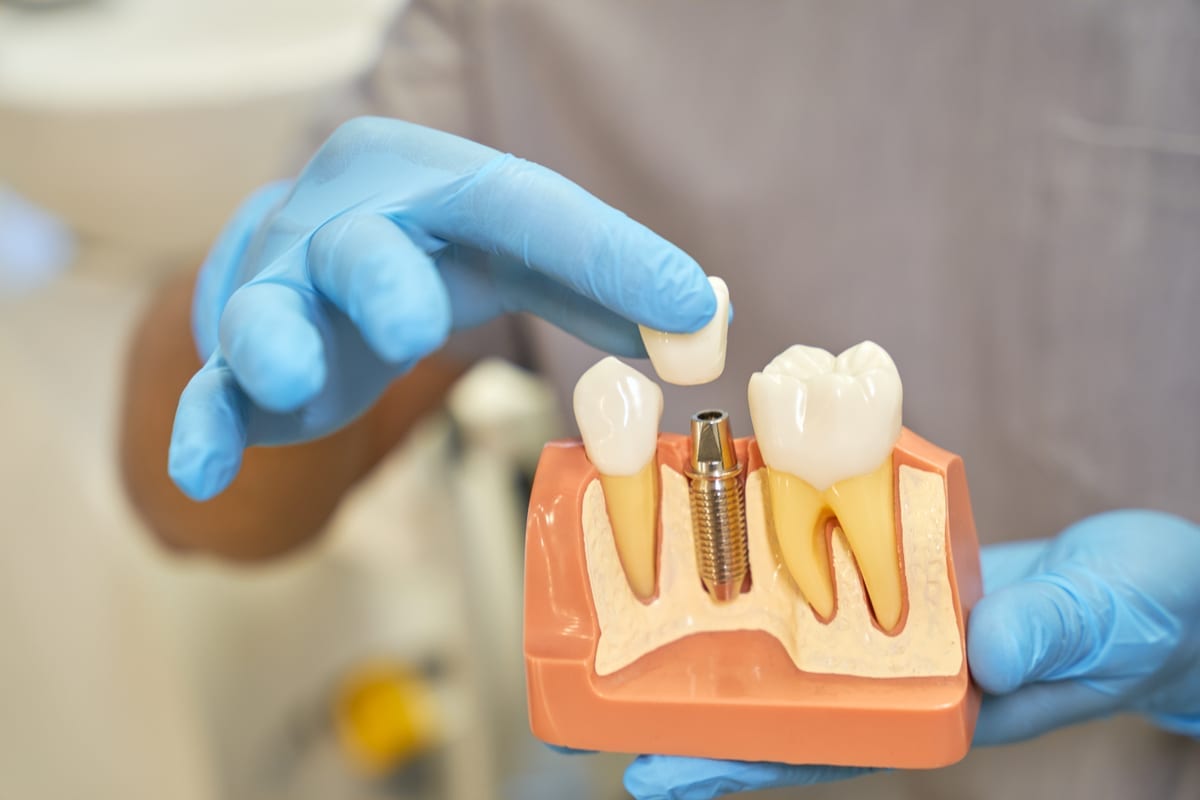
A dental implant is a titanium post surgically placed into your jawbone. It acts as an artificial tooth root. Once it fuses with the bone, a crown is attached on top to look and function like a natural tooth.
The total cost typically covers several separate components. Each component plays a critical role in the outcome. Understanding what you’re paying for helps set realistic expectations.
- The implant post: The titanium screw placed into the jaw
- The abutment: A connector piece between the post and crown
- The dental crown: The visible, tooth-shaped cap on top
- Pre-surgical imaging: X-rays or CT scans used for precise placement
- Surgical fees: The dentist’s time, skill, and anesthesia
- Follow-up appointments: Monitoring healing and long-term success
Some dental practices quote a per-component price. Others bundle everything into one fee. Always ask your provider exactly what the quoted price includes.
Key Factors That Drive Dental Implant Costs in Austin
No two patients have the same mouth. That’s the core reason implant pricing varies so widely. Several specific factors influence what you’ll pay in Austin.
Number of implants needed: A single missing tooth costs less than replacing multiple teeth. Full-arch solutions like All-on-4 involve more materials and surgical time, which increases the investment.
Bone density and grafting: If your jawbone has weakened or shrunk, a bone graft may be required before implant placement. Bone grafting is a separate procedure with its own cost. This is one of the most common reasons a final price differs from an initial estimate.
Tooth extractions: If a damaged tooth needs removal before implant placement, that adds to the overall treatment plan. The complexity of the extraction also matters.
Implant materials and brand: Not all implants are created equal. Higher-quality titanium implants from reputable manufacturers cost more upfront but tend to perform better over time.
Crown material: Porcelain crowns look the most natural but may cost more than metal alternatives. The material you choose affects both aesthetics and price.
Provider experience: A highly trained implant dentist with advanced technology charges more for good reason. Precision placement reduces complications and improves long-term outcomes.
Why Location Matters: Dental Implant Pricing in Austin
Austin is a growing city with a diverse range of dental practices. Costs here reflect the local cost of living, overhead, and the level of technology each practice uses. Prices in Austin may differ from smaller Texas towns or major metro areas like Houston or Dallas.
Practices in Austin that invest in cone beam CT scanners, digital impressions, and guided implant surgery tend to charge more. That technology, however, dramatically improves accuracy and safety. Paying for precision is often worth it.
It’s also worth noting that going with the lowest-quoted price isn’t always the smartest financial decision. Failed implants require costly corrective procedures. Choosing a skilled, experienced provider the first time protects your investment long-term.
Financing Options That Make Dental Implants More Accessible
Sticker shock is real. Many Austin patients assume dental implants are simply out of reach. Fortunately, several financing tools make spreading out the cost much more manageable.
- In-house payment plans: Some practices offer their own monthly payment options directly
- Third-party financing: Companies like CareCredit or Lending Club provide dental-specific loans
- Flexible spending accounts (FSAs): Pre-tax dollars from your FSA can offset implant costs
- Health savings accounts (HSAs): Similar to FSAs, HSAs let you pay with tax-advantaged funds
- Phased treatment: Spreading treatment across multiple appointments or calendar years can help manage expenses
At Hapii Dental Austin, Dr. Phan’s team is happy to walk you through available financing during your consultation. The goal is to find a path that works for your budget and your oral health needs.
How Dental Implants Compare in Value to Other Tooth Replacement Options
When evaluating dental implant costs, it helps to compare them against alternatives. Dental bridges and dentures both replace missing teeth but work very differently. Each has its own long-term cost profile.
Bridges require filing down healthy adjacent teeth. Over time, those altered teeth may need additional treatment like Root Canals if the nerve becomes irritated or damaged. That adds unexpected future costs to what seemed like a cheaper solution upfront.
Dentures are removable and may require periodic relining or replacement. They don’t stimulate the jawbone, which can lead to bone loss over time. Bone loss can affect your facial structure and may complicate future dental work.
Dental implants, by contrast, integrate directly with the bone. They don’t put pressure on neighboring teeth. With proper care, they can last decades — often a lifetime. That long-term durability makes them one of the best investments in oral health.
Parents researching tooth replacement for children should also explore pediatric options. Procedures like Root Canals On Baby Teeth can preserve primary teeth until a child is old enough for permanent solutions.
Questions to Ask During Your Implant Consultation in Austin
Your consultation is your best opportunity to get complete, transparent cost information. Come prepared with specific questions. A trustworthy dental team will answer every one honestly.
Here are key questions worth asking Dr. Phan or any implant provider:
- Does the quoted price include the post, abutment, and crown?
- Will I need a bone graft, and is that included in the estimate?
- What imaging is required, and what does it cost?
- What financing options do you offer?
- What happens if the implant fails — is there a warranty or guarantee?
Getting answers to these questions upfront prevents unexpected surprises on your final bill. Transparency is a sign of a practice that respects its patients.
Conclusion: Understanding the Full Picture of Dental Implant Costs in Austin
Dental implant costs in Austin aren’t a mystery — they’re a reflection of the care, materials, and expertise involved. When you understand what drives the price, you can make a smarter, more confident decision about your smile. Dr. Aleeahna Phan and the team at Hapii Dental Austin are here to guide you every step of the way. Book Now to schedule your appointment with our team.
Frequently Asked Questions
Why do dental implant costs vary so much between dental offices in Austin?
Costs vary because providers differ in experience, technology, materials, and what’s included in the quoted price. Some offices quote per component while others bundle all fees. Always ask for an itemized breakdown so you can compare accurately.
Is a bone graft always required before getting a dental implant?
Not always. A bone graft is only needed if your jawbone lacks sufficient density or volume to support the implant. A cone beam CT scan during your consultation will determine whether grafting is necessary for your specific case.
Can I use an HSA or FSA to help pay for dental implants in Austin?
Yes. Health savings accounts and flexible spending accounts allow you to use pre-tax dollars toward dental implant treatment. This can meaningfully reduce your out-of-pocket expenses. Ask your employer or plan administrator about your specific account limits.
How long do dental implants last compared to bridges or dentures?
Dental implants are designed to be a permanent solution. With proper oral hygiene and regular dental visits, implants can last 20 to 30 years or even a lifetime. Bridges and dentures typically require replacement or adjustment within 10 to 15 years.
What is the first step to finding out my dental implant cost in Austin?
The first step is scheduling a consultation with a qualified implant dentist. During that visit, imaging is taken, your bone density is evaluated, and a personalized treatment plan is created. Only then can an accurate, itemized cost estimate be provided.