


Losing a tooth is never a fun experience, and if you live in Austin, you no doubt have one burning question: Should I opt for dental implants, or is it better to go with something else, such as bridges or dentures? While traditional methods have been around for many years, dental implants offer advantages that might make them the best solution for you. In this blog post, we’re going to look at the reasons many dental professionals in the area recommend this as the way to go, as well as what it means for you.
Why Choose Dental Implants Over Other Options?
As for replacing missing teeth, there are a few options: dental implants, bridges, and dentures. Still, these have their advantages, but the unique advantage of dental implants is that they look similar to real teeth. Here is how the Austin dentist recommends the use of dental implants:
Long-Term Durability and Stability
The most stable option to replace missing teeth is dental implants. Unlike dentures or bridges, which need to be replaced over time, dental implants in Austin can last a lifetime. This is one reason they are a cost-effective solution.
Improved Comfort and Function
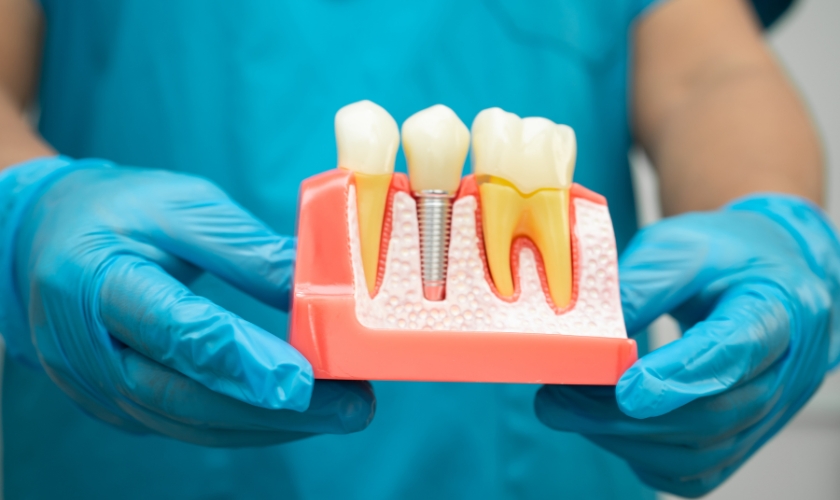
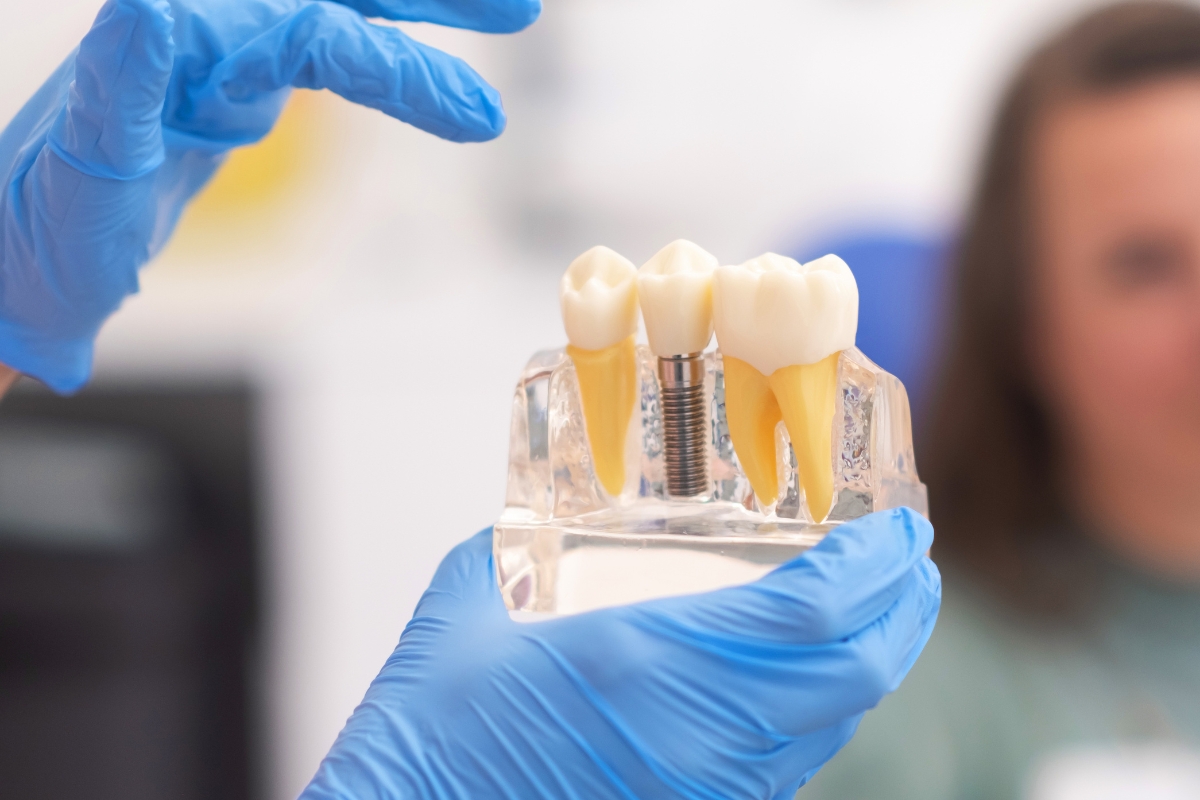
The advantage of a dental implant is that it is placed directly into your jawbone, and it becomes a permanent structure in your mouth. This means it feels more like a natural tooth than any other alternative. Unlike bridges and dentures, which may cause discomfort since you feel something strange in your mouth, dental implants give you a better chewing experience, enabling you to eat your favorite foods without any problem.
Preservation of Bone Health
One of the most significant advantages of a dental implant is its ability to preserve jawbone. When a tooth falls out, jawbone decay may ensue. Dental implants can stimulate bone growth by attaching to the bone. As a result, further jawbone decay will not occur, thereby maintaining the structure of your face.
No Need to Alter Healthy Teeth
However, if bridges are to function well, adjoining teeth have to be filed down by the dentist so that the artificial teeth are anchored perfectly. This can compromise the health of those teeth in the future. Dental implants, on the other hand, stand alone and do not affect your surrounding teeth, making them a more conservative approach.
Why Better Than Bridges and Dentures
While dental bridges and dentures can work well for some patients, they present difficulties for others if you know what those problems may be ahead of time. A few disadvantages associated with both of these solutions include:
Bridges
Bridges replace teeth that are not there, but to fit them, your dentist would need to file (or reduce) the adjacent teeth. As a result, patients may develop complications later due to compromised integrity of the adjacent teeth. Bridges do not hold up as well compared to implants and will need to be replaced at some point.
Dentures
Although dentures can be easily taken on and off, they can also be very uncomfortable for some people and tend to shift around the mouth, causing irritation to the gums and making it difficult to eat and talk comfortably. Over time, dentures will become loose and may require adjustments or replacement to maintain their fit. Most importantly, dentures do not stimulate the jawbone, leading to bone loss and changes in facial appearance.
The Procedure for Dental Implants in Austin
The procedure for obtaining dental implants consists of several components; however, most patients feel the process is ultimately worth it. The following will guide you through your experience with Austin dental implants:
Initial Consultation
The first step in the dental implant process is a consultation with your dentist to evaluate your gums and your jawbone. This step is crucial, as a strong, healthy jawbone is essential for an implant to be successful. Your dentist will likely take X-rays or 3D images of the area to be treated to provide a clear image of the bone.
Implant Placement
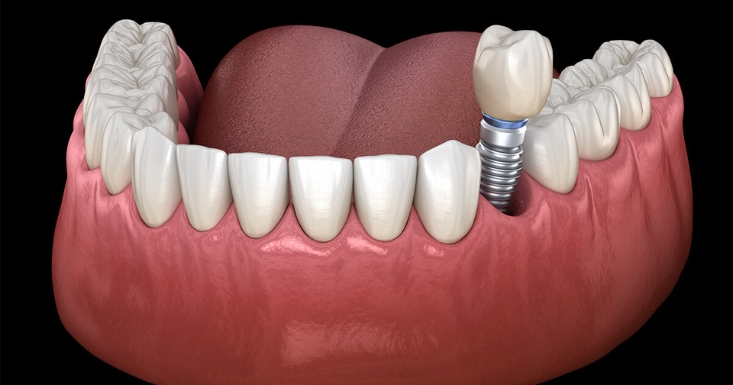
The dentist will place a small piece of titanium into your jawbone during the implant placement. This piece of titanium will serve as the root of the tooth, and over the next several months, it will become incorporated into the bone through a process called osseointegration.
Crown Placement
After the implant has become integrated with the bone, you will receive a crown that will be attached to the implant, completing the tooth replacement. As a result, the crown will look, feel, and function like a natural tooth.
Why Austin Locals Trust Hapii Dental for Implants
At Hapii Dental in Austin, we combine advanced technology with compassionate care to deliver outstanding implant results. Our experienced dental team creates personalized treatment plans to ensure comfort, safety, and long-term success.
Whether you’re missing one tooth or several, we’re here to guide you every step of the way.
Proudly serving Austin, TX and surrounding areas.
Conclusion: Reclaim Your Smile with Dental Implants
Dental implants are the best and most lasting solution for tooth loss. They provide superior comfort, longevity, and aesthetic results that cannot be achieved with bridges and dentures alone. If you are considering dental implants, Austin’s Hapii Dental provides the caring and experienced service you need for a successful experience.
Ready to take the next step towards a healthier, more confident you? Book your appointment with Hapii Dental today and discover what dental implants can do to change your life.
Common Questions People Ask
1. Are there any side effects from getting dental implants?
Generally, there should be no physical discomfort from the surgical placement of dental implants, as patients are under anesthesia. Most patients report minimal discomfort during their recovery from surgery.
2. How long does it take to receive dental implants?
The procedure to receive dental implants can take several months, depending on the amount of time necessary for osseointegration, which is the process by which the bones of the jaw fuse around the dental implants. This means that, unless you have any complications, the actual surgical procedure to place dental implants in your mouth should require only one or two visits.
3. Does my insurance cover dental implants?
Insurance coverage for dental implant procedures varies, so it is essential to check with your dental insurance carrier. Some dental practices, including Hapii Dental, also offer financing options to help you afford the surgery.
4. What are the advantages of dental implants vs. dentures?
When comparing dental implants and dentures, dental implants offer a more stable, comfortable, and longer-lasting solution. With dentures, the risk of bone loss increases, whereas dental implants help preserve bone health.
5. What are the risks associated with dental implants?
Although dental implants have a very low risk of complications, complications associated with the implant surgery include infection, nerve injury, and the possibility that a dental implant could fail. If you are considering dental implants, your dentist will evaluate your dental condition to determine whether you are an appropriate candidate and to minimize risk as much as possible.