


Losing a tooth changes more than your smile. It affects how you chew, speak, and feel in social situations. Over time, missing teeth can also weaken the jawbone and shift nearby teeth out of place. That is why many people seeking long-term tooth-replacement solutions are turning to dental implants in Austin rather than temporary fixes.
Dental implants are designed to replace missing teeth in a way that feels stable, natural, and functional. While the upfront investment is higher than some other treatments, many patients see implants as a lasting solution that supports both oral health and daily comfort. Understanding the long-term value of implants can help you decide whether this treatment is the right choice for your smile.
What Are Dental Implants?
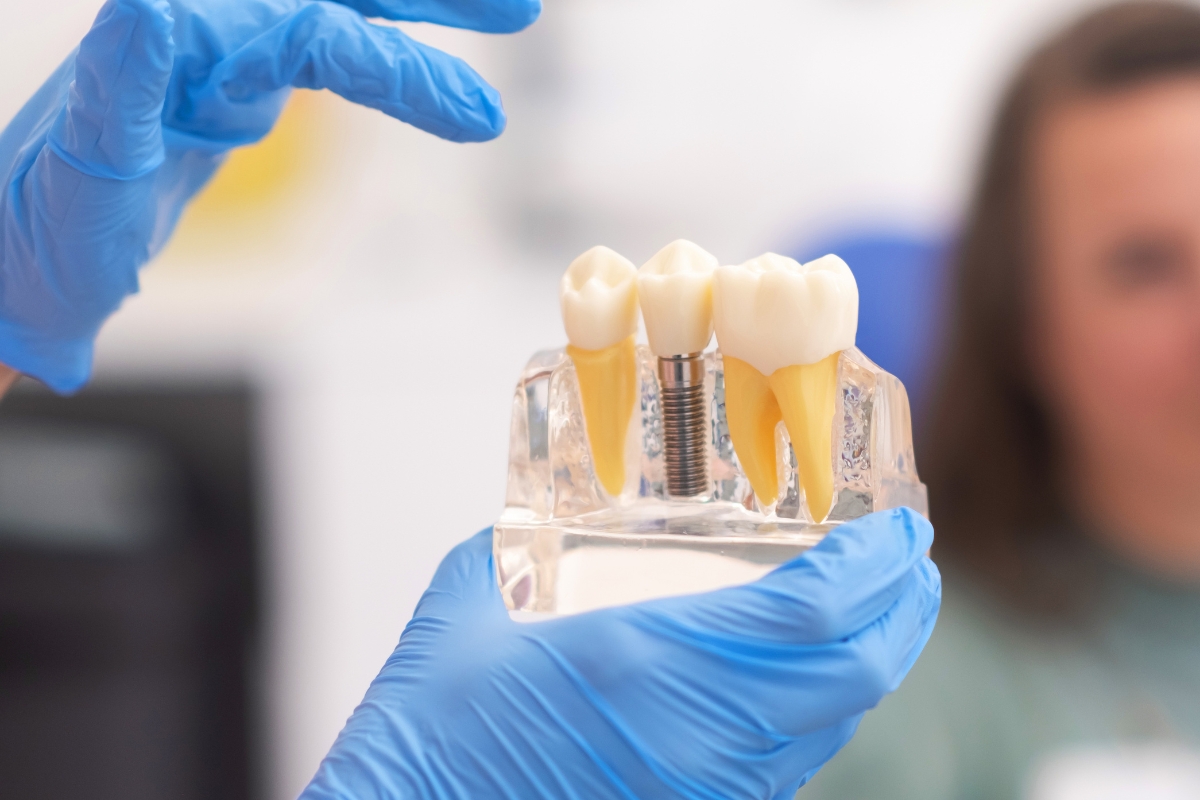
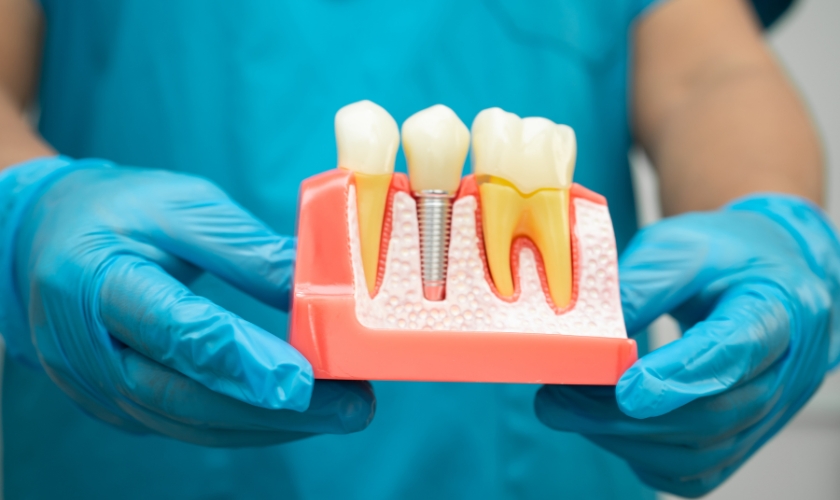
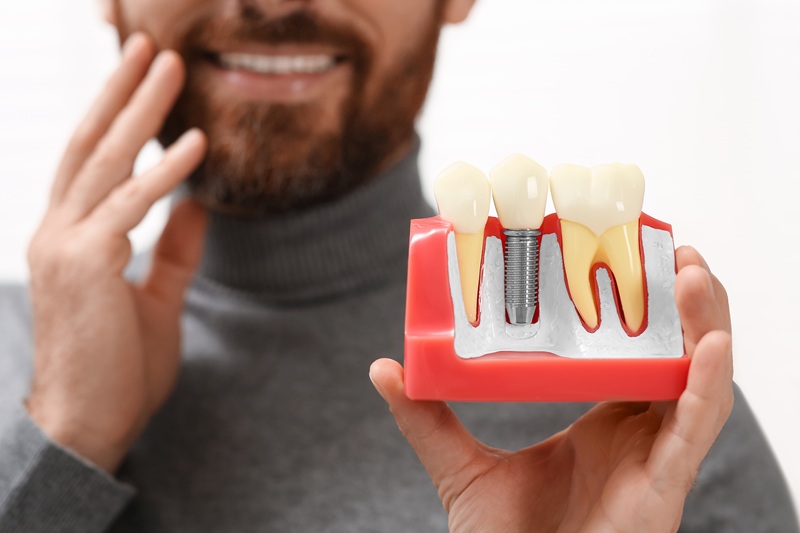
Dental implants are artificial tooth roots made from biocompatible titanium. They are placed into the jawbone during dental implant surgery to support replacement teeth such as crowns, bridges, or dentures.
A complete implant restoration typically includes three parts:
- The implant fixture is carefully inserted into the jawbone.
- The connector piece is called the abutment.
- The dental crown on an implant replaces the visible part of the tooth.
Unlike removable appliances, implants become integrated with the jawbone during the implant healing process. This creates a secure foundation for implant-supported teeth that look and function much like natural teeth.
Many people in Austin looking for missing-teeth solutions choose implants because they offer a more stable, durable tooth-replacement option.
Why Patients Choose Dental Implants

People often choose dental implants in Austin because they address both cosmetic and functional concerns. Missing teeth can make chewing difficult and may affect speech clarity. Some patients also feel self-conscious when smiling or talking.
Dental implants help restore confidence by creating a natural-looking tooth replacement that blends with surrounding teeth. They also improve stability while eating and speaking.
Patients seeking restorative dental care Austin practices provide often want a solution that does not shift or move throughout the day. Unlike removable dentures, implants stay securely in place.
Another major reason patients choose implants is comfort. Since the implant is anchored into the jawbone, there is no slipping, clicking, or gum irritation commonly associated with removable appliances.
Are Dental Implants Worth the Investment?
One of the most common questions patients ask is, “Are dental implants worth it?” The answer depends on your goals, oral health needs, and expectations for long-term results.
While the dental implant cost that Austin patients pay may initially seem higher than that of other tooth replacement options, implants are designed to last for many years. Traditional bridges and dentures may eventually require replacement or adjustments, which can increase costs over time.
Implants also provide benefits beyond appearance. They help maintain chewing strength, preserve bone structure, and reduce strain on surrounding teeth. These long-term advantages make implants appealing for patients who want a permanent tooth replacement rather than a temporary fix.
Many people who visit an implant dentist in Austin value the long-term reliability and stability that implants provide compared to removable solutions.
Dental Implants vs Dentures and Bridges
When comparing dental implants vs dentures, the biggest difference is stability. Dentures rest along the gumline and can sometimes move while chewing or talking. Implants are anchored directly into the jawbone, creating stronger support.
Traditional bridges can replace missing teeth, but they often require reshaping neighboring healthy teeth for support. Dental implants do not rely on adjacent teeth, which helps preserve natural tooth structure.
Here is how implants compare with other common tooth replacement options:
Dental Implants:
- Permanent and stable
- Help preserve jawbone density
- Support the restoration of chewing function
- Natural appearance and feel
- Long-lasting with proper care
Dentures:
- Removable appliance
- May slip or shift
- Can contribute to bone loss over time
- Require periodic adjustments
Bridges:
- Fixed restoration
- Depend on neighboring teeth for support
- May not prevent jawbone loss beneath the missing tooth area
For many patients exploring tooth replacement options in Austin, dental implants provide the closest look, feel, and function to natural teeth.
Long-Term Benefits of Dental Implants
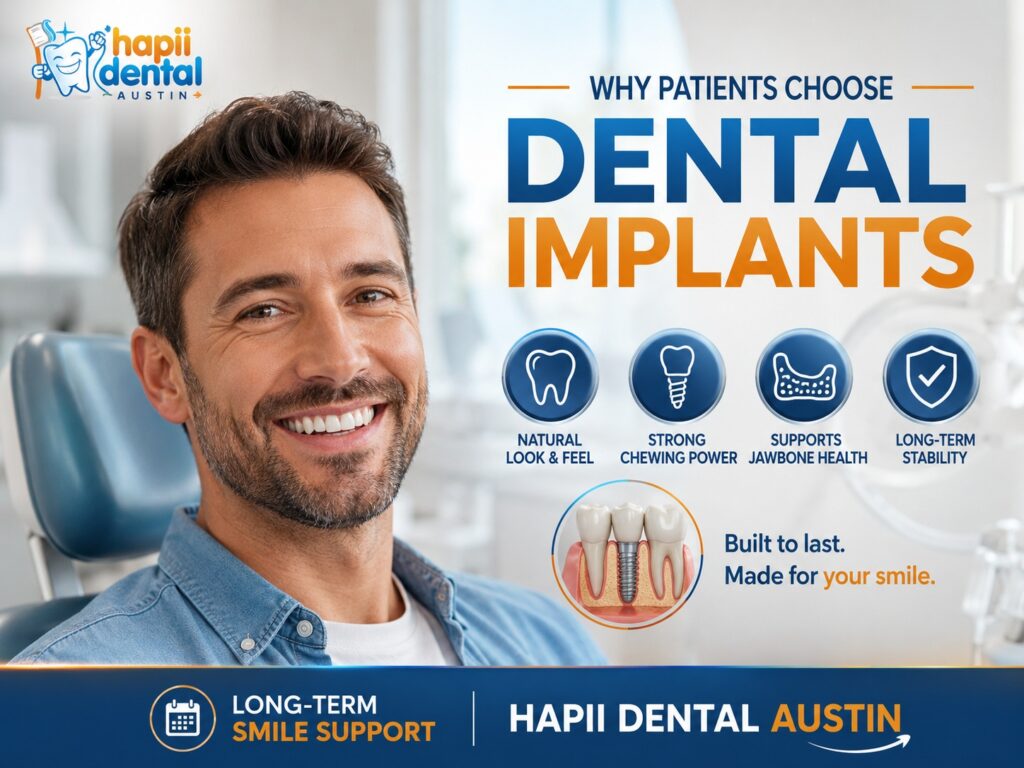
The long-term benefits of dental implants extend beyond replacing missing teeth. A major benefit of dental implants is their long-lasting strength. When cared for with consistent oral hygiene and routine dental checkups, they can remain functional for many years.
Implants also support oral function. They allow patients to eat a wider variety of foods comfortably and help maintain clear speech patterns.
Another important benefit is confidence. Many patients feel more comfortable smiling, laughing, and speaking after completing Austin dental implant treatment.
Some additional benefits of dental implants include:
- Improved bite strength
- Enhanced smile restoration
- Better facial support
- Reduced movement of surrounding teeth
- Long-term oral health restoration
Patients searching for permanent dental implants often prioritize these long-lasting functional and cosmetic improvements.
How Dental Implants Help Protect Oral Health
Missing teeth can lead to serious oral health changes over time. One of the biggest concerns is jawbone preservation. When a tooth is lost, the jawbone in that area no longer receives stimulation from chewing forces. This can lead to gradual bone loss from missing teeth.
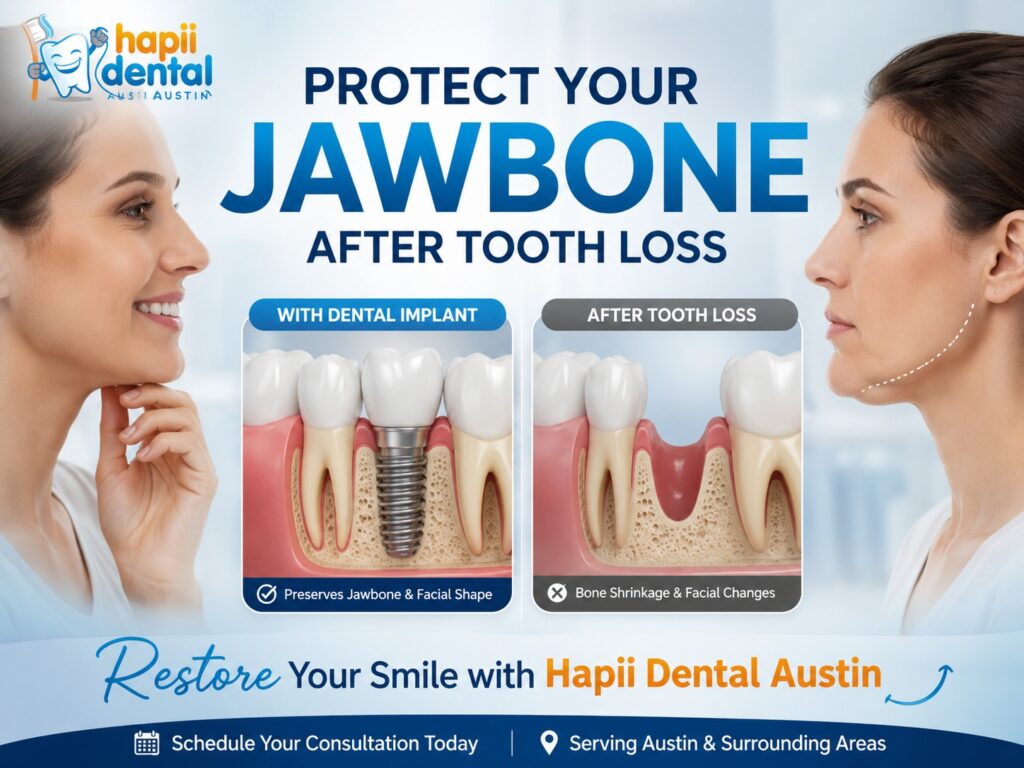
Dental implants help stimulate the jawbone similarly to natural tooth roots. This process helps preserve jawbone strength and maintain natural facial contours.
Dental implants also help keep nearby teeth from moving out of position. When gaps are left untreated, neighboring teeth may drift into open spaces, affecting bite alignment.
Patients considering dental implants in Austin practices provide often appreciate that implants support both appearance and long-term oral stability.
What to Expect During Dental Implant Treatment
The dental implant treatment process usually occurs in multiple stages over several months.
First, the dentist evaluates your oral health using digital imaging and exams. If needed, procedures such as bone grafting may be recommended before implant placement.
Next comes implant surgery, where the implant post is placed into the jawbone. During healing, the implant gradually fuses with the bone through a process called osseointegration.
After healing is complete, the final implant restoration is attached. This may include a crown, bridge, or implant-supported denture, depending on your needs.
Patients seeking dental implants often appreciate the customized planning that helps achieve stable, natural-looking results.
Who Is a Good Candidate for Dental Implants?
Many adults with missing teeth may qualify for dental implants. Ideal candidates typically have:
- Healthy gums
- Adequate jawbone support
- Good oral hygiene habits
- Overall stable health
Even patients who have experienced bone loss may still qualify after preparatory procedures.
An implant dentist in Austin whom patients trust can evaluate your oral condition and determine the best treatment approach to replace missing teeth.
How Long Do Dental Implants Last?
Dental implants are considered one of the most durable forms of long-term tooth replacement available today. The implant itself can often last several decades with proper care.
The restoration attached to the implant may eventually need replacement due to normal wear, but the implant post can remain stable for many years.
Maintaining implants requires:
- Daily brushing and flossing
- Routine dental checkups
- Avoiding tobacco products
- Managing gum health
Patients who commit to consistent oral care often experience excellent long-term outcomes with implant-supported teeth.
When to Visit a Dental Implant Dentist in Austin
If you are missing one or more teeth, delaying treatment may increase the risk of bone loss, shifting teeth, and bite changes. Visiting a provider who offers restorative dentistry in Austin patients rely on can help you explore options before complications develop.
Dental implants may be worth the investment if you want a stable, natural feeling solution that supports long-term oral health and daily comfort. Whether you recently lost a tooth or have been living with gaps for years, discussing your concerns with an experienced implant provider can help you understand the best path forward. If you are considering dental implants in Austin, scheduling a consultation at Hapii Dental can help you learn whether implant treatment is the right fit for your smile goals and long-term oral health needs.
Questions People Ask About Dental Implants
Are dental implants worth the cost?
Many patients believe implants are worth the investment because they provide long-term stability, improved function, and jawbone support. Unlike removable appliances, implants are designed to last for many years with proper care.
How long do dental implants last?
Dental implants can last for decades when properly maintained. Good oral hygiene, regular dental visits, and healthy lifestyle habits all contribute to long-term implant success.
Are dental implants painful?
Most patients report mild discomfort during recovery rather than severe pain. Local anesthesia and modern techniques help make dental implant surgery more comfortable than many people expect.
Can anyone get dental implants?
Many adults qualify for implants, but oral health and bone support must be evaluated first. Some patients may need additional procedures before implant placement.
Are dental implants better than dentures?
Dental implants provide greater stability and help preserve jawbone density. Dentures may still be appropriate for some patients, but implants often offer a more natural feel and function.
Do dental implants look natural?
Yes. Implant restorations are designed to match surrounding teeth in shape, size, and color, creating a natural appearance.
What happens if missing teeth are not replaced?
Untreated tooth loss can lead to jawbone loss, shifting teeth, bite problems, and difficulty chewing. Replacing missing teeth early helps protect long-term oral health.